Why Is My Cat Losing Weight? Common Causes and When to Worry
Why Is My Cat Losing Weight? Common Causes and When to Worry
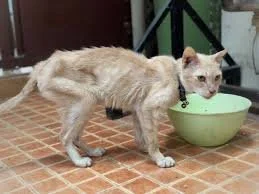
If your cat is losing weight, even slowly, it is important to pay attention. Weight loss in cats is never something to ignore, especially if it happens without a change in diet or activity. Some cats lose weight because they are eating less. Others lose weight even though they seem hungry and continue eating well. In either case, unexplained weight loss can be one of the earliest signs of an underlying medical problem.
At Bushnell Animal Clinic, we help cat owners in Bushnell, FL and surrounding Central Florida communities find answers when cats begin losing weight, eating differently, or showing subtle signs that something is wrong.
Is Weight Loss in Cats Serious?
Yes, it can be. Cats are very good at hiding illness, and many health problems develop gradually. That means weight loss may be one of the first clear changes owners notice.
A cat that is losing weight may have:
chronic kidney disease
hyperthyroidism
diabetes
intestinal disease
cancer
chronic infection
liver disease
poor appetite from nausea or pain
Sometimes the change is obvious. Sometimes it is subtle, like feeling more backbone, noticing the hips more, or realizing your cat looks thinner through the face or shoulders.
Why Is My Cat Losing Weight but Still Eating?
This is one of the most important patterns to notice.
If your cat is losing weight but still eating, possible causes include:
hyperthyroidism
diabetes
intestinal malabsorption
cancer
chronic inflammation
parasites
poor nutrient absorption despite normal appetite
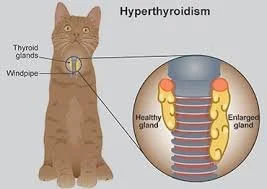
Cats with hyperthyroidism, for example, often lose weight even while seeming hungrier than usual. Cats with diabetes may also eat well at first while still losing weight.
If your cat is eating normally but getting thinner, that is still a reason to schedule an exam.
Why Is My Cat Losing Weight and Not Eating?
Cats that lose weight and also eat less may be dealing with:
kidney disease
dental disease
nausea
pain
liver disease
intestinal disease
stress
chronic infection
advanced medical problems
Loss of appetite in cats is especially important because cats can become sicker quickly when they do not eat enough. A cat that is not eating normally should not be watched too long at home.
Common Causes of Weight Loss in Cats
Hyperthyroidism
Hyperthyroidism is very common in older cats. It often causes weight loss despite a good or even increased appetite. Cats may also become more vocal, restless, thirsty, or prone to vomiting and diarrhea.
Chronic Kidney Disease
Kidney disease is another common cause of weight loss, especially in senior cats. Signs may include increased thirst, increased urination, poor appetite, vomiting, and lower energy.
Diabetes
Cats with diabetes may lose weight even if they seem hungry. Owners may also notice increased thirst, larger urine clumps in the litter box, and changes in energy level.
Dental Disease
A cat with painful teeth or inflamed gums may want to eat but avoid food because chewing hurts. This can lead to reduced intake and gradual weight loss.
Chronic Digestive Disease
Inflammatory bowel disease, food intolerance, chronic vomiting, chronic diarrhea, and other gastrointestinal conditions can cause weight loss over time.
Parasites
Parasites are more common in some cats than others, but they can still contribute to poor body condition and weight loss.
Cancer
Some cancers cause weight loss gradually, while others lead to reduced appetite, vomiting, diarrhea, or obvious illness.
Liver Disease
Liver problems can cause appetite loss, nausea, weight loss, and sometimes behavior changes.
Subtle Signs That Matter
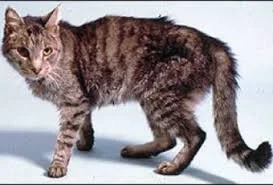
Cats often show illness in quieter ways than dogs. In addition to weight loss, watch for:
eating less
eating more but getting thinner
vomiting
diarrhea
hiding more
sleeping more
poor grooming
weakness
drinking more water
larger urine clumps
changes in stool
bad breath
messy coat
muscle loss along the back
Even small changes can matter in cats.
When Should I Take My Cat to the Vet for Weight Loss?
You should schedule a visit if:
your cat is clearly losing weight
your cat feels bonier than usual
appetite has changed
vomiting or diarrhea is also happening
your cat is drinking or urinating more
your cat is older
your cat seems less active
the weight loss has continued for more than a short time
your cat is not eating normally
A senior cat losing weight should always be taken seriously, even if they still seem fairly normal otherwise.
What Will the Vet Check?
When a cat comes in for weight loss, we start with a detailed history and physical exam. Depending on the case, testing may include:
bloodwork
urinalysis
fecal testing
thyroid testing
additional diagnostics depending on symptoms
The goal is to determine whether the weight loss is due to reduced intake, poor absorption, metabolic disease, organ dysfunction, pain, or another medical problem.
Why Weight Loss in Cats Often Needs an Internal Medicine Approach
Weight loss is not a diagnosis by itself. It is a clue.
Some cats have one simple problem. Others have multiple issues happening at once, especially older cats. A cat may have kidney disease and dental disease. Another may have thyroid disease along with digestive symptoms. That is why a careful, internal medicine-style workup is often the best way to get answers.
At Bushnell Animal Clinic, we take weight loss in cats seriously and work to identify the underlying cause so treatment can be more targeted and effective.
Serving Bushnell and Surrounding Central Florida Communities
Bushnell Animal Clinic serves cats and cat owners in Bushnell, Webster, Center Hill, The Villages, Brooksville, Inverness, Clermont, Leesburg, Dade City, and nearby areas.
If your cat is losing weight, acting differently, or just does not seem quite right, an exam is the best next step.
Schedule an Appointment for a Cat Losing Weight in Bushnell, FL
If your cat is getting thinner, eating differently, vomiting, drinking more, or showing subtle changes at home, schedule an appointment at Bushnell Animal Clinic.
Finding the cause early can make a major difference in comfort, treatment options, and long-term health.
FAQ
Why is my cat losing weight?
Cats lose weight for many reasons, including hyperthyroidism, kidney disease, diabetes, dental disease, digestive problems, parasites, and cancer.
Is weight loss in older cats normal?
No. Weight loss in older cats is common, but it is not considered normal. It usually means an underlying medical issue should be checked.
Why is my cat losing weight but still eating?
This can happen with hyperthyroidism, diabetes, intestinal disease, and some cancers. Cats that are eating but losing weight still need veterinary evaluation.
When should I worry about my cat losing weight?
You should worry anytime the weight loss is noticeable, ongoing, paired with appetite changes, vomiting, diarrhea, increased thirst, or lower energy.
Can dental disease cause weight loss in cats?
Yes. Cats with painful dental disease may eat less or avoid food, which can lead to weight loss over time.
What tests are done for weight loss in cats?
Your veterinarian may recommend bloodwork, urinalysis, fecal testing, thyroid testing, and imaging depending on your cat’s age and symptoms.
