Why Is My Dog Panting So Much? Common Causes and When to Worry
Why Is My Dog Panting So Much? Common Causes and When to Worry
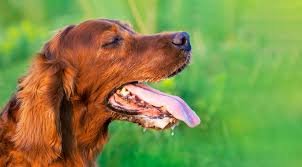
Panting is normal for dogs. It is one of the main ways they cool themselves down, especially after exercise, excitement, or time outdoors in warm weather. But when panting seems excessive, starts suddenly, happens at rest, or comes with weakness or distress, some dogs may need urgent care for pets.
For pet owners, heavy panting can be alarming. Sometimes it is harmless and temporary. Other times it may point to pain, heat stress, heart disease, respiratory illness, anxiety, or a deeper problem that benefits from internal medicine for dogs and cats. Knowing when panting is normal and when it needs veterinary attention can help you protect your dog and get care quickly if needed.
At Bushnell Animal Clinic, we evaluate dogs in Bushnell and the surrounding Central Florida area for breathing changes, heat-related illness, pain, weakness, and other urgent concerns. If your dog is panting more than usual, it is worth paying attention.
What normal panting looks like in dogs
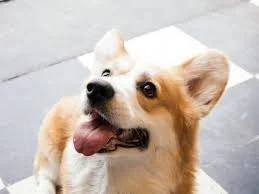
Normal panting usually has a clear reason behind it. Your dog may pant after:
exercise
playing
time outside in warm or humid weather
excitement
stress such as a car ride or thunderstorm
In these cases, panting should gradually improve once your dog calms down, cools off, and rests. The breathing should not look labored, and your dog should otherwise seem comfortable.
Normal panting may be faster than resting breathing, but it should not look desperate or distressed.
When dog panting is not normal
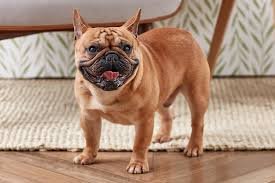
Panting may be abnormal if your dog:
starts panting heavily while resting
pants indoors in a cool room without explanation
seems unable to settle down
has noisy breathing
is breathing with extra effort
looks weak or distressed
has pale, blue, or brick-red gums
is drooling excessively
is coughing
seems painful
collapses or seems unsteady
has a swollen abdomen
acts confused
pants more at night or repeatedly over several days
A change in panting pattern matters. If your dog is panting harder, longer, or more often than usual, that is worth investigating. In some pets, persistent panting can be tied to a medical issue that requires an internal medicine evaluation rather than simple rest at home.
Common causes of heavy panting in dogs
Heat and overheating
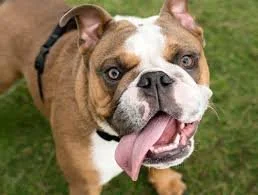
One of the most common causes of excessive panting is getting too warm. Florida heat and humidity can be especially hard on dogs. Even a short period outside can be enough to cause overheating in some pets, especially:
brachycephalic breeds with short noses
overweight dogs
senior dogs
dogs with heart or airway disease
dark-coated dogs
dogs exercising during hot or humid weather
Mild overheating can cause heavy panting and restlessness. More severe heat stress can become life-threatening heatstroke.
Signs of heatstroke in dogs may include:
frantic or nonstop panting
drooling
vomiting
weakness
collapse
bright red gums
confusion
If you think your dog may be overheating, move them to a cool area right away and seek veterinary care promptly. Dogs showing severe signs may need urgent care evaluation as quickly as possible.
Pain
Dogs in pain often pant, even when they are resting. This can happen with:
arthritis
back pain
abdominal pain
injury
dental pain
ear pain
post-surgical discomfort
internal illness
Sometimes panting is one of the first clues that a dog is hurting. A dog that is panting from pain may also pace, seem restless, avoid touch, shake, hide, limp, or have a hunched posture. Senior dogs with chronic discomfort may show signs similar to those discussed in arthritis in older dogs.
Anxiety or stress
Some dogs pant when they are nervous or overstimulated. Loud noises, storms, fireworks, separation anxiety, travel, or changes in routine can all trigger stress panting.
Stress panting usually happens along with other anxious behavior such as pacing, whining, trembling, clinginess, or inability to relax.
Even if anxiety is the cause, repeated or severe episodes still deserve attention, especially in older dogs or dogs with other medical conditions.
Respiratory disease
Panting may also happen when breathing is more difficult than normal. Dogs with airway or lung problems may breathe faster and harder to move air.
Respiratory causes can include:
pneumonia
airway inflammation
collapsing trachea
laryngeal disease
chronic bronchitis
masses affecting the chest or airway
These dogs may also cough, gag, wheeze, stretch their neck out, or seem uncomfortable lying down. In some cases, your veterinarian may recommend diagnostic imaging to help determine whether the lungs, chest, or airway are involved.
Heart disease
Dogs with heart disease may pant more because the body is not moving oxygen as efficiently or because fluid changes affect breathing comfort.
In some dogs, increased panting is seen before owners notice more obvious signs. Other clues may include:
coughing
tiring easily
weakness
breathing fast at rest
difficulty getting comfortable
reduced appetite
Heart disease is one reason not to ignore ongoing panting, especially in senior dogs.
Fever or infection
Dogs with fever or systemic illness may pant more than usual. Infection, inflammation, and illness can all affect breathing and body temperature.
A dog with an infection may also seem tired, not want to eat, have vomiting or diarrhea, or act withdrawn. If your dog is panting heavily and also avoiding food, you may want to read why is my dog not eating.
Hormonal and metabolic disease
Some internal medicine conditions can cause more panting over time. These include:
Cushing’s disease
anemia
metabolic disease
some neurologic conditions
Dogs with Cushing’s disease, for example, may pant more, drink and urinate more, seem pot-bellied, and develop muscle loss over time. Many of these dogs also show symptoms like those covered in why is my dog drinking so much water.
Medication side effects
Certain medications can increase panting. Steroids are a common example. If your dog recently started a medication and now pants much more, tell your veterinarian.
Obesity
Overweight dogs tend to pant more because carrying extra weight makes cooling and exertion harder. Obesity can also make underlying airway, joint, or heart issues more obvious.
Why is my dog panting at night?
Nighttime panting often gets an owner’s attention quickly because the house is quieter and the dog should be settled. Panting at night can be related to:
pain, especially arthritis or abdominal discomfort
anxiety or confusion
heart disease
respiratory disease
hormone-related disease such as Cushing’s
overheating indoors
discomfort from digestive upset
If nighttime panting is new, recurring, or worsening, your dog should be evaluated.
Why is my senior dog panting more?
Senior dogs often pant more because they are more likely to have underlying medical issues. Common reasons include:
arthritis pain
weakness or muscle loss
heart disease
respiratory disease
cognitive changes
internal medicine problems
tumors or abdominal disease
Aging alone should not be blamed for major changes in breathing. If an older dog is suddenly panting more, there may be a treatable cause. In many cases, these changes overlap with the concerns discussed in how to tell if my dog is slowing down from age or illness.
When is dog panting an emergency?
Seek urgent veterinary care if your dog is panting heavily and also has any of the following:
trouble breathing
blue, pale, or very red gums
collapse
weakness
unresponsiveness
suspected heatstroke
abdominal swelling
repeated vomiting
distress that is getting worse
noisy or labored breathing
inability to settle
signs of pain after trauma
choking or possible toxin exposure
Breathing emergencies can become serious quickly. If your dog looks distressed, it is safest not to wait. Some pets with severe breathing changes, collapse, or heat-related illness need urgent care for pets right away.
What to do if your dog is panting heavily
First, stay calm and move your dog to a cool, quiet area. Limit activity and watch closely.
You can:
bring your dog indoors to air conditioning
offer access to water
reduce excitement and activity
note when the panting started
think about recent exercise, heat, stress, or medication changes
check whether your dog is also coughing, limping, vomiting, weak, or painful
Do not force water or delay care if the breathing looks abnormal or your dog seems distressed. If your dog is panting along with stomach upset, nausea, or repeated retching, you may also want to read why is my dog vomiting.
If the panting does not improve quickly with rest and cooling, or if anything else seems off, call your veterinarian.
How veterinarians evaluate heavy panting in dogs
The right treatment depends on the cause, so evaluation is important. Your veterinarian may recommend:
physical examination
temperature check
listening to the heart and lungs
pulse oximetry
x-rays
bloodwork
urine testing
blood pressure testing
abdominal imaging or other diagnostics if needed
Because panting can be tied to urgent problems, pain, or deeper illness, some dogs need both urgent care evaluationand follow-up internal medicine for dogs and catsdepending on what is found.
Dog panting in Bushnell, FL and surrounding areas
In Bushnell, Webster, Center Hill, The Villages, Brooksville, Inverness, Clermont, and surrounding Central Florida communities, heat and humidity can make panting concerns especially common. But not every panting dog is simply hot. Pain, heart disease, respiratory illness, anxiety, and internal medical conditions can all look similar at home.
If your dog is panting more than usual, breathing hard, or acting uncomfortable, Bushnell Animal Clinic can help evaluate the cause and determine whether your pet needs urgent care for pets, diagnostics, or ongoing internal medicine for dogs and cats.
Final thoughts
Panting is normal in many situations, but excessive panting should never be ignored. When it is sudden, severe, unexplained, or paired with other symptoms, it may be your dog’s way of telling you something is wrong.
The most important thing is to look at the whole picture. Ask yourself whether your dog is simply cooling off, or whether the panting seems unusual for your pet. If it feels different, persistent, or concerning, it is a good reason to have your dog checked.
If your dog is panting heavily, seems painful, or is having trouble breathing, contact Bushnell Animal Clinic for guidance and evaluation.
FAQ
Why is my dog panting so much while resting?
Panting while resting can be caused by pain, anxiety, overheating, heart disease, respiratory illness, fever, or another medical problem. If it happens without a clear reason, your dog should be evaluated.
When should I worry about my dog panting?
You should worry if your dog is panting heavily in a cool room, panting at night, breathing harder than usual, or showing signs like weakness, coughing, vomiting, pale gums, or distress.
Can pain make a dog pant?
Yes. Dogs commonly pant more when they are in pain. Arthritis, injury, abdominal pain, dental pain, and back pain are all possible causes.
Why is my senior dog panting more than usual?
Senior dogs may pant more because of arthritis, heart disease, respiratory problems, anxiety, or other internal health issues. A sudden change should not be ignored.
When is panting an emergency in dogs?
Panting is an emergency if your dog has trouble breathing, collapses, has blue or pale gums, seems very weak, has a swollen abdomen, or may be overheating. Seek urgent veterinary care right away.
