Why Is My Cat Not Eating? Common Causes and When to Worry
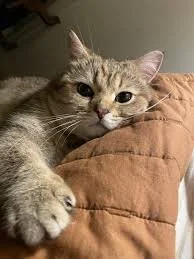
Why Is My Cat Not Eating? Common Causes and When to Worry
If your cat is not eating, it is important to pay attention. Some cats skip a meal because of stress, a food change, or mild stomach upset, but loss of appetite can also be one of the earliest signs of a more serious medical problem. Cats are especially good at hiding illness, which means a drop in appetite may be one of the first clues that something is wrong.
At Bushnell Animal Clinic, we help cat owners in Bushnell, FL and surrounding Central Florida communities understand when a cat’s poor appetite may be temporary and when it needs a closer medical evaluation.
Is It Serious If My Cat Is Not Eating?
Sometimes the cause is mild, but it should never be ignored. Cats that eat less or stop eating can become weak, dehydrated, and more medically fragile in a short period of time.
Loss of appetite becomes more concerning when your cat:
has not eaten normally for more than a short time
is vomiting
has diarrhea
is losing weight
seems lethargic
is hiding more than usual
is drinking more or less than normal
is a kitten, senior cat, or has other health problems
This is one reason poor appetite in cats deserves attention sooner rather than later.
Why Is My Cat Not Eating?
Loss of appetite is a symptom, not a diagnosis. There are many possible causes.
Nausea or Stomach Upset
Cats often stop eating when they feel nauseated. Some may vomit, lip-smack, drool, or walk away from food. If vomiting is part of the picture, link naturally to Why Is My Cat Throwing Up?
Dental Disease or Mouth Pain
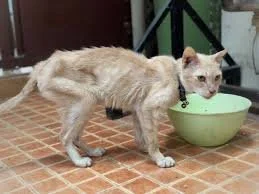
A cat with painful teeth, inflamed gums, or oral disease may want to eat but avoid food because chewing hurts. Some cats approach the bowl, sniff the food, and then walk away.
Kidney Disease
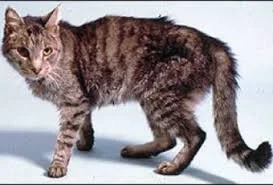
Cats with kidney disease often eat less because they feel nauseated or generally unwell. They may also drink more water, urinate more, lose weight, or vomit. This is a good place to link to Why Is My Cat Drinking So Much Water? and Why Is My Cat Losing Weight?
Hyperthyroidism
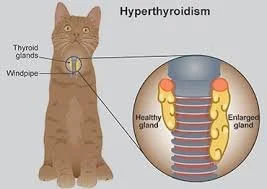
Older cats with hyperthyroidism may have changes in appetite that go in either direction. Some become hungrier, while others eat less as the disease progresses or if other illness is also present.
Digestive Disease
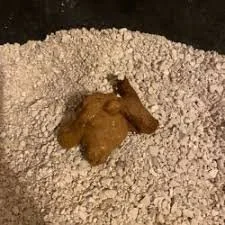
Inflammatory bowel disease, food intolerance, chronic intestinal disease, pancreatitis, and other digestive problems can all reduce appetite. If diarrhea is also present, link to Why Is My Cat Having Diarrhea?
Stress or Environmental Change
Cats can be very sensitive to change. Moving, new pets, visitors, boarding, travel, loud noises, or changes in routine can all affect appetite.
Pain
Cats in pain may eat less even if the pain is not obviously related to the mouth or stomach. Arthritis, injury, abdominal pain, and other sources of discomfort can all contribute.
Infection or Fever
Some cats eat less when they have an infection, inflammation, or fever.
Liver Disease or Other Internal Medical Problems
Cats with liver disease or other internal illness may become less interested in food, lose weight, vomit, or act quieter than usual.
Why Is My Cat Not Eating but Acting Normal?
Some cats seem fairly normal at first even when something important is developing. They may still walk around, watch their surroundings, or come near the food bowl while eating less than usual.
Cats that are not eating but still seem “mostly normal” may still have:
early kidney disease
dental pain
nausea
stress-related appetite loss
chronic digestive disease
early internal medical problems
If the appetite change keeps happening, it is worth looking deeper even if your cat does not look dramatically ill yet.
Why Is My Cat Not Eating and Sleeping More?
That combination matters more. A cat that is eating less and sleeping more may be dealing with:
pain
fever
kidney disease
digestive illness
dehydration
metabolic disease
more significant systemic illness
Cats tend to hide when they do not feel well, so lower appetite plus lower energy is a stronger reason to schedule an exam.
Why Is My Cat Not Eating and Losing Weight?
Loss of appetite plus weight loss should always be taken seriously. This combination may suggest:
kidney disease
hyperthyroidism
chronic digestive disease
cancer
dental disease
liver disease
long-term nausea or poor nutrient intake
This is a natural place to link to Why Is My Cat Losing Weight?
What If My Cat Is Drinking Water but Not Eating?
Some cats continue to drink even when they are not eating well. That can happen with nausea, fever, digestive upset, kidney disease, diabetes, or other internal medical problems. If your cat is drinking more than normal, link to Why Is My Cat Drinking So Much Water?
A cat that is not eating but is still drinking should still be evaluated, especially if the appetite change continues or other symptoms are showing up too.
When Should I Worry?
You should be more concerned if your cat:
has not eaten for more than a short time
is vomiting
has diarrhea
is losing weight
becomes weak or lethargic
hides more than usual
seems painful
drinks much more or much less than normal
has bad breath or obvious mouth pain
is a kitten or senior cat
has a known medical condition
These cases should not be watched too long at home.
When Not Eating Becomes Urgent
Loss of appetite in cats can become urgent faster than many owners realize. Seek urgent pet care in Bushnell promptly if your cat:
stops eating completely
is vomiting repeatedly
seems weak or collapsed
is having trouble breathing
is hiding and hard to rouse
seems painful
is getting worse quickly
A cat that is not eating and is clearly unwell should be seen as soon as possible.
When Appetite Loss Needs an Internal Medicine Approach
Some appetite issues are simple and short-lived. Others are part of a larger pattern that needs deeper evaluation.
A cat with repeated or ongoing appetite loss may also have:
vomiting
diarrhea
weight loss
increased thirst
increased urination
low energy
abnormal bloodwork
recurring flare-ups
That is when internal medicine and advanced diagnostics becomes especially important. At Bushnell Animal Clinic, that may include a full history, physical exam, bloodwork, urinalysis, fecal testing, X-rays, and a more targeted plan based on your cat’s symptoms and age.
What to Expect at the Vet for a Cat That Is Not Eating
When you bring your cat in for appetite loss, we want to know:
when the appetite change started
whether your cat is eating less or not at all
whether vomiting or diarrhea is also happening
whether weight loss has been noticed
whether water intake has changed
whether there have been changes in litter box habits
whether there has been stress, travel, or a diet change
whether the problem has happened before
Depending on the findings, your veterinarian may recommend:
physical examination
oral exam
hydration assessment
bloodwork
urinalysis
fecal testing
X-rays
additional diagnostics depending on the case
The goal is to identify the cause instead of only treating the symptom.
Serving Bushnell and Surrounding Central Florida Communities
Bushnell Animal Clinic serves cats and cat owners in Bushnell, Webster, Center Hill, The Villages, Brooksville, Inverness, Clermont, Leesburg, Dade City, and surrounding Central Florida communities.
If your cat is not eating, losing weight, vomiting, or just not acting like themselves, we are here to help.
Schedule an Appointment for a Cat That Is Not Eating in Bushnell, FL
If your cat is not eating normally, is eating much less than usual, or is showing other changes like vomiting, diarrhea, weight loss, or lethargy, use schedule an appointment at Bushnell Animal Clinic.
We can help determine whether your cat has a temporary appetite issue or a deeper medical problem that needs further evaluation.
FAQ
Why is my cat not eating?
Cats may stop eating because of nausea, dental pain, kidney disease, digestive problems, stress, infection, pain, or other internal medical conditions.
When should I worry if my cat is not eating?
You should worry more if your cat is also vomiting, losing weight, lethargic, hiding, or not eating for more than a short time.
Is it an emergency if my cat is not eating?
It can be, especially if your cat stops eating completely, seems weak, vomits repeatedly, or is showing other signs of illness.
Can dental disease make a cat stop eating?
Yes. Cats with painful teeth or oral disease may want to eat but avoid food because chewing hurts.
Why is my cat drinking water but not eating?
That can happen with nausea, kidney disease, fever, digestive problems, diabetes, and other medical issues.
Should I take my cat to the vet for not eating?
If your cat is eating much less, stops eating, or has other symptoms with the appetite loss, a veterinary visit is a good idea.
