Why Is My Cat Sneezing? Understanding Feline Health
If your cat is sneezing, it is natural to wonder whether it is something minor or something that needs attention. Cats can sneeze once or twice because of dust, litter particles, or brief nasal irritation, and sometimes that is all it is. But sneezing can also be one of the first signs of an upper respiratory infection, chronic nasal inflammation, dental disease, or another medical problem that should not be ignored. Cats can sneeze for a variety of reasons, including irritants in the air such as dust or perfume, which may cause occasional sneezing without concern. This guide is for cat owners who want to understand the reasons behind their cat's sneezing and learn when to seek veterinary care.
For many pet owners, the hard part is not knowing where the line is. A cat may still be walking around the house, still sleeping in the usual spot, and still acting “mostly normal,” while quietly developing congestion, eye irritation, or loss of appetite. Cats are especially good at hiding illness, which means early signs can be easy to miss.
At Bushnell Animal Clinic, we help cat owners in Bushnell, Webster, Center Hill, The Villages, Inverness, Brooksville, and nearby communities sort out a simple but important question: is this mild sneezing that can be watched closely, or is this something that needs a veterinary exam? Some cats only have mild symptoms, such as occasional sneezing or minor eye discharge, that resolve on their own and do not require aggressive treatment.
In many cases, the answer depends on the rest of the picture. How often is the cat sneezing? Is there discharge from the nose or eyes? Is the cat still eating? Is breathing still comfortable? Has the problem happened before? Those details matter. There are also other causes of sneezing in cats beyond infections and inflammation.
This guide will walk you through the common causes of sneezing in cats, when the symptom may be more serious, how veterinarians diagnose the problem, and what treatment usually depends on.
[Insert Image 1 here: close-up photo of a cat with bright eyes or mild nasal irritation] Suggested filename: cat-sneezing-bushnell-vet.jpg
Common Causes of Sneezing in Cats
Sneezing is a symptom, not a diagnosis. It tells you that something is irritating or affecting the nasal passages, but it does not tell you exactly why. Some causes are mild and self-limited. Allergies to pollen, dust, or mold, as well as certain foods, can also cause sneezing in cats, and symptoms from indoor allergens can occur year-round. Others can linger, recur, or worsen without proper treatment. Bacterial infections and secondary infections can complicate respiratory illnesses in cats.
Upper respiratory infections
One of the most common causes of sneezing in cats is an upper respiratory infection. These infections may be caused by viruses, bacteria, or a combination of both. Upper respiratory infections (URIs) in cats, often called the 'common cold' or 'cat flu', can be caused by viral, bacterial, or fungal agents, although viral infections are most common. In cats, upper respiratory problems often affect the nose, sinuses, throat, and eyes all at the same time.
A cat with an upper respiratory infection may also have:
watery eyes
squinting
congestion
reduced appetite
lower energy
fever
noisy breathing through the nose
Common symptoms of upper respiratory infections in cats include sneezing, nasal discharge, coughing, and loss of appetite, which can occur due to congestion affecting their sense of smell.
Some cats get what owners describe as a “cat cold.” The cat may sneeze several times a day, seem stuffy, and lose interest in food because smell is such a big part of appetite. Even a mild respiratory infection can lead to dehydration or appetite loss if it continues long enough. Upper respiratory infections in cats can last anywhere from 7 to 21 days, with 7 to 10 days being the average duration for uncomplicated cases.
Kittens are especially vulnerable because they can become weak more quickly. Kittens, elderly cats, and unvaccinated or immunosuppressed cats are at a higher risk of developing upper respiratory infections due to their weaker immune systems. Senior cats and cats with other health problems may also have a harder time recovering. Thick yellow, green, or bloody discharge from the nose often signals a bacterial infection, and secondary bacterial infections can worsen symptoms and may require antibiotics.
Feline calicivirus is another highly contagious virus that can cause upper respiratory infections in cats. Vaccines for feline herpesvirus and calicivirus are recommended for all cats to reduce disease severity and virus shedding. If left untreated, upper respiratory infections can result in serious complications like pneumonia and chronic breathing problems. Vaccination schedules for cats should be followed as recommended by veterinarians to help prevent respiratory diseases that can cause sneezing and other symptoms.
Feline herpesvirus
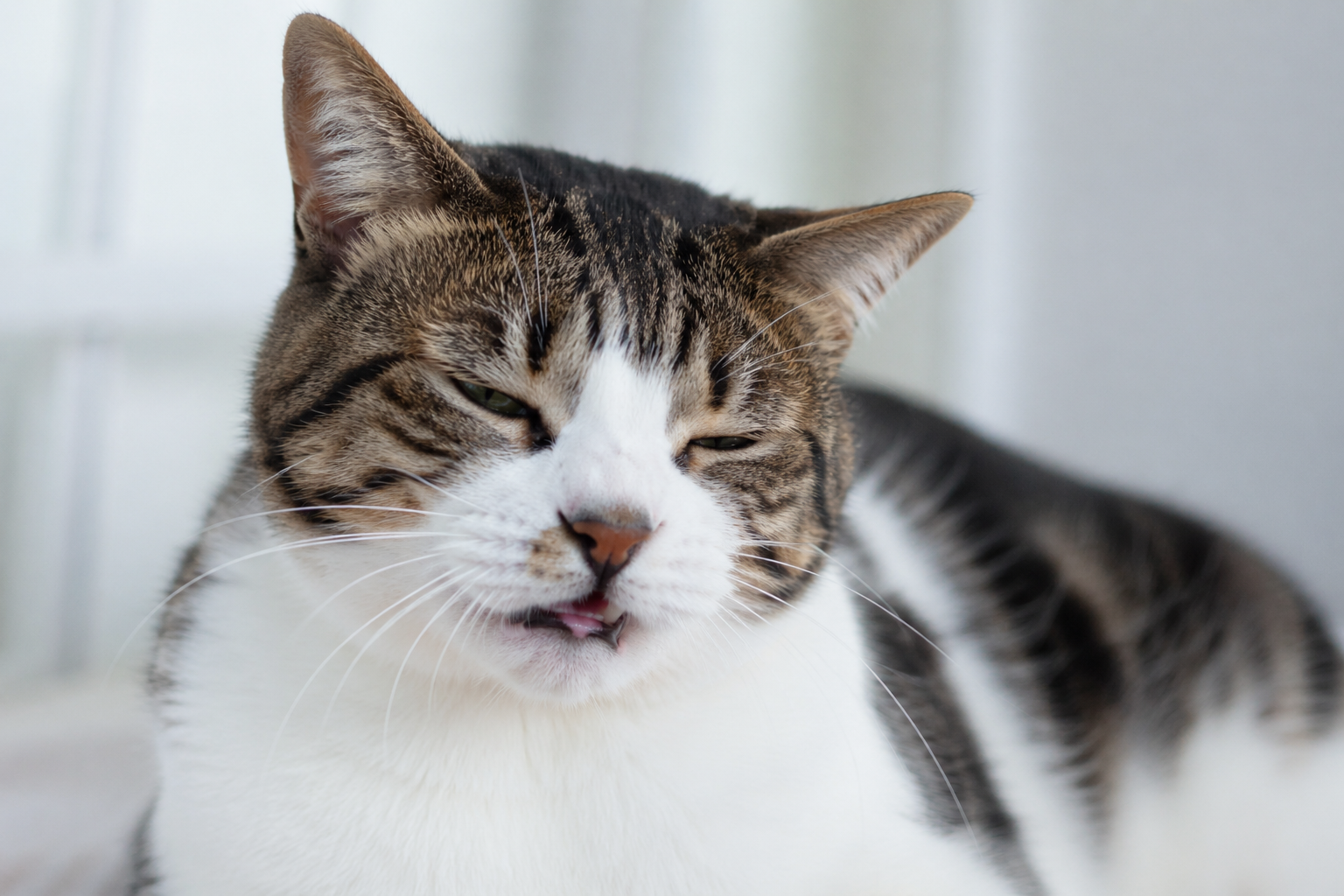
Feline herpesvirus is a very common cause of recurring respiratory symptoms in cats. Many cats are exposed early in life, and some continue to carry the virus long term. That does not mean every cat stays sick all the time, but it does mean symptoms can flare up again later. In rare, severe cases, feline herpesvirus infection can lead to serious complications or even death, especially in cats with underlying health issues.
Stress, boarding, grooming, household changes, other illness, or strain on the immune system can sometimes trigger another episode. A cat that sneezes off and on, develops intermittent eye discharge, or seems to get congested repeatedly may be dealing with this type of pattern.
Cats with herpesvirus-related flare-ups may show:
repeated sneezing
watery or goopy eyes
squinting
nasal discharge
congestion
symptoms that improve, then return
This is one reason it is important not to assume that every sneezing episode is a one-time irritation. Some cats need a more thoughtful long-term management plan. Chronic or repeated herpesvirus infections can cause permanent damage to the nasal passages and immune system, leading to ongoing respiratory issues.
Household irritants
Cats have sensitive noses. Dust, smoke, scented products, aerosol cleaners, air fresheners, candles, perfumes, and even fine litter particles can irritate the nasal passages.
If a cat sneezes briefly after a room is cleaned, after a scented spray is used, or after digging in a dusty litter box, irritation may be the cause. These irritants can also cause a runny nose or stuffy nose in cats. In these cases, sneezing may be mild and short-lived.
Still, irritation is not always the full answer. Sometimes a small environmental trigger uncovers a deeper problem in a cat who already has inflamed nasal tissue or a respiratory infection.
Common irritants include:
cigarette or cigar smoke
dusty litter
cleaning sprays
perfumes
essential oil diffusers
candles
air fresheners
construction dust
strong laundry products
Some cats may develop allergic rhinitis, also called allergic rhinitis or hay fever, which can cause symptoms like sneezing, runny nose, itchy nose, and watery eyes.
If the sneezing started soon after a new product entered the home, that history is helpful.
Dental disease
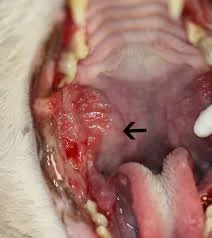
Many cat owners are surprised to learn that dental disease can sometimes contribute to sneezing. The roots of the upper teeth sit close to the nasal area, and serious dental disease can create inflammation that affects nearby tissues. Dental disease can lead to sneezing due to infections or abscesses in the oral cavity that affect the nasal cavity.
A cat with dental-related sneezing may also show:
bad breath
drooling
chewing on one side
dropping food
reduced interest in dry food
pawing at the mouth
weight loss
visible mouth discomfort
Dental pain is one of the easiest problems to miss in cats because many continue eating, just less enthusiastically. If sneezing is happening along with appetite changes, slower chewing, or oral odor, the mouth should be part of the evaluation.
Chronic rhinitis or ongoing nasal inflammation
Feline rhinitis is a condition characterized by inflammation of the mucous membranes in the nose, leading to symptoms such as sneezing, nasal discharge, and difficulty breathing.
Some cats develop chronic inflammation inside the nasal passages. These cats may never seem dramatically sick, but they do not fully clear either. They may sneeze often, sound stuffy, breathe noisily through the nose, or have mild discharge on and off. Chronic rhinitis in cats can result from permanent damage to the nasal passages and mucous membranes, leading to frequent infections and ongoing respiratory issues.
These cases can be frustrating because owners often hope it is just a simple cold that will pass. But if sneezing continues for weeks, keeps coming back, or never fully resolves, chronic inflammation becomes more likely.
A cat with chronic nasal inflammation may have:
ongoing sneezing
recurring congestion
noisy nasal breathing
mild but persistent discharge
symptoms that partially improve but never disappear
This kind of pattern often needs more than guesswork or repeated home treatment. Procedures such as a nasal flush or nasal wash performed by a veterinarian can help diagnose and treat chronic rhinitis by clearing blockages and collecting samples from the nasal cavity.
Foreign material in the nose
Occasionally, something gets lodged in the nasal passage and causes sudden irritation. Plant material, dust, or another small particle may trigger repeated sneezing fits.
This is less common, but it is more likely if:
sneezing starts suddenly
the sneezing seems intense or repetitive
the cat paws at the face
discharge is worse from one nostril
the problem began right after being outdoors or around plant material
A cat with something stuck in the nasal passage may seem abruptly uncomfortable. When the onset is very sudden, this possibility becomes more important.
Nasal polyps, masses, or more serious nasal disease
Less commonly, chronic sneezing can be related to a structural problem inside the nose. Polyps, growths, masses, fungal disease, or other nasal disease may cause persistent symptoms that do not behave like a simple infection.
These cases may involve:
one-sided discharge
bleeding from the nose
worsening congestion
noisy breathing
facial swelling
weight loss
reduced appetite
symptoms that slowly progress over time
These are not the most common causes of sneezing, but they are important not to miss, especially when the pattern is unusual or worsening.
When Cat Sneezing May Be More Serious
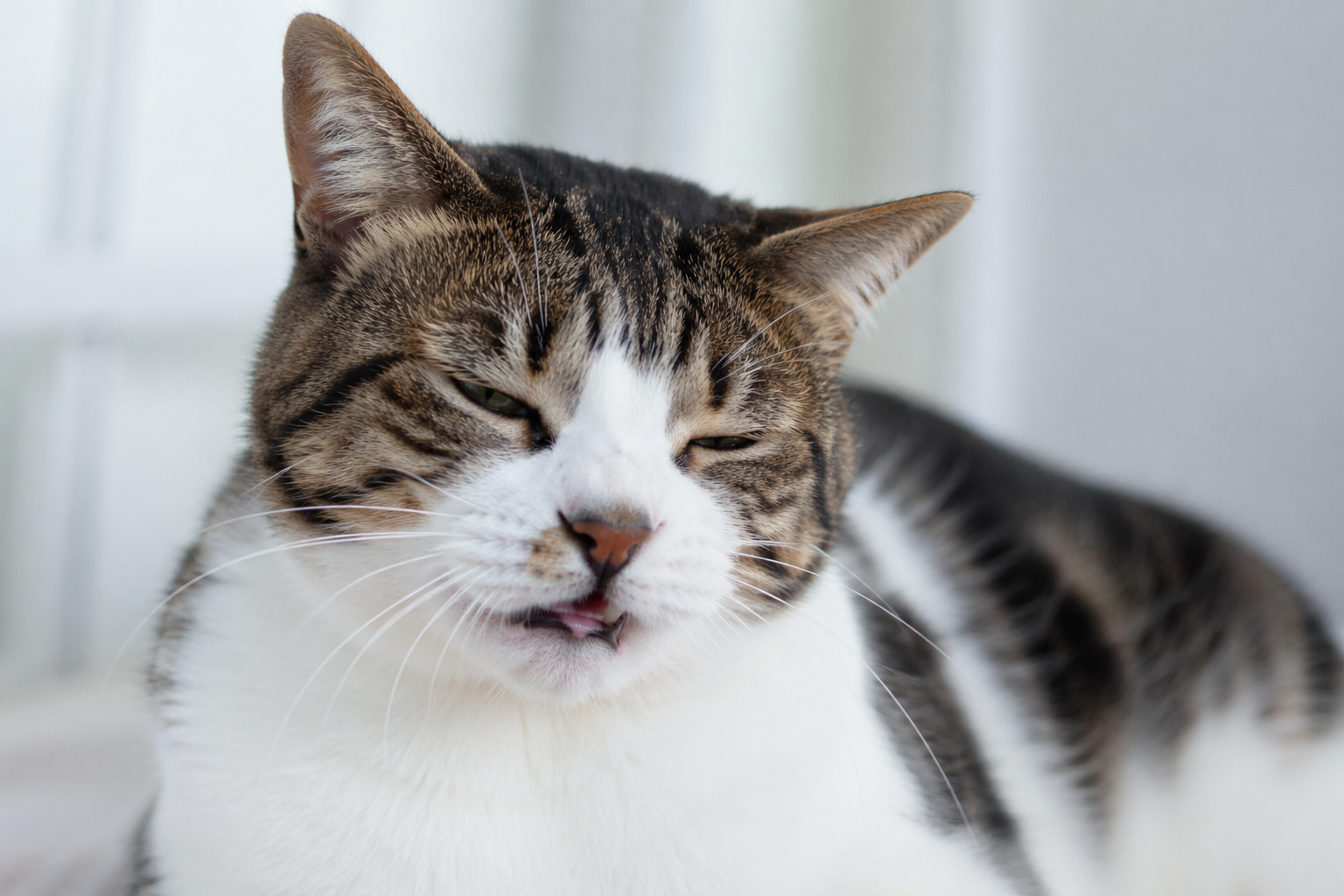
Sneezing by itself is only part of the story. The real question is what else is happening at the same time.
A cat that sneezes once, then goes back to normal, is very different from a cat that sneezes repeatedly, hides more, eats less, and sounds congested. The second cat may need prompt attention, even if the sneezing itself does not look dramatic.
Signs that sneezing may be part of a more important problem include:
nasal discharge
thick or colored discharge
eye swelling or discharge
loss of appetite
low energy
hiding
feverish behavior
noisy breathing
weight loss
repeated flare-ups
visible dental pain
blood from the nose
Loss of appetite matters more than many owners realize. Cats rely heavily on their sense of smell to eat. A congested cat may stop eating simply because food no longer smells normal. That can become a serious issue faster than people expect.
You should also pay attention to age and overall condition. Kittens can decline more quickly than adult cats. Senior cats may have less reserve. Cats with chronic illness, weak immune systems, or other medical problems are at higher risk for complications from respiratory infections and may need earlier evaluation.
If your cat is sneezing and also struggling with difficulty breathing, not eating, becoming weak, or getting worse quickly, that is not something to wait on. In severe cases of respiratory illness, hospitalization and intensive treatment such as IV fluids may be required.
[Insert Image 3 here: photo of a congested-looking cat resting or being examined] Suggested filename: cat-upper-respiratory-signs.jpg
What Symptoms Should You Watch At Home?
When owners call about cat sneezing, the sneezing itself is only the beginning of the conversation. The most helpful information usually comes from everything around the symptom.
Providing your veterinarian with your cat's medical history and a detailed description of symptoms is important for proper diagnosis and determining the best treatment.
Watch for:
whether the sneezing is occasional or frequent
whether discharge is clear, yellow, green, or bloody
whether one or both eyes are involved
whether appetite has changed
whether your cat still drinks normally
whether your cat is hiding more
whether energy level is lower
whether breathing seems quiet and comfortable
whether the mouth seems painful
whether the problem is new or keeps returning
A short note on your phone can help if the symptoms are changing over several days. Owners often remember the sneezing itself but forget when the appetite changed or whether one eye started watering first. Those details can help narrow down the cause.
It is also worth noticing whether other pets in the home are sick. Some respiratory infections spread easily among cats, especially in multi-cat households or homes with recent exposure to other animals.
How Veterinarians Diagnose Sneezing in Cats
At Bushnell Animal Clinic, Dr. Roger Hart begins with the full picture rather than jumping to one conclusion. Sneezing can come from several different problems, and the pattern of symptoms matters.
Diagnosis often starts with: a thorough physical examination and review of the cat's medical history, along with
listening to breathing
checking the nose and eyes
looking at the mouth and teeth
reviewing appetite and behavior changes
discussing whether the problem is sudden, chronic, or recurring
That first exam often tells us a great deal. In some cats, the problem clearly looks like a straightforward upper respiratory infection. In others, the history or exam points more toward dental disease, chronic rhinitis, deeper nasal disease, or a recurring viral pattern.
Depending on the case, further testing may sometimes be recommended. That can include bloodwork, imaging, or other diagnostics if the sneezing is severe, persistent, unusual, or not responding as expected.
For example, further workup becomes more likely when:
symptoms are chronic
discharge is one-sided
bleeding is present
appetite loss is significant
weight loss is developing
the cat is older
dental disease is suspected
breathing noise is getting worse
The goal is not just to stop the sneeze. Identifying the underlying cause allows the veterinarian to recommend the most appropriate treatment options, which may include customized plans, medications, or dietary adjustments to manage symptoms. The goal is to understand why it is happening so the treatment makes sense.
What Treatment Depends On
Treatment depends on the cause. That is why one cat may need simple supportive care while another needs a much deeper evaluation. Treatment for sneezing in cats may include supportive care such as ensuring adequate hydration and nutrition, especially if the cat has stopped eating due to nasal congestion. Identifying and addressing the underlying condition is essential to effectively treat your cat's symptoms.
Possible treatment plans may depend on whether the problem is caused by:
a viral upper respiratory infection
secondary bacterial infection
chronic nasal inflammation
dental disease
environmental irritation
a foreign object
a structural problem inside the nose
Treatment may also include antibiotics to treat secondary bacterial infections, corticosteroids to reduce inflammation, and supportive care such as intravenous fluids and nutritional support, especially in severe cases where dehydration or weight loss is a concern.
Some cats need supportive care, hydration help, appetite support, intravenous fluids, nutritional support, and close monitoring. Others may need medication, dental treatment, or additional diagnostics to guide the next steps. Inhaled steroid therapy is often recommended as part of an at-home treatment plan for managing feline upper respiratory conditions.
This is also why home treatment can be misleading. If owners assume every sneezing cat just has a minor cold, a more important underlying condition can be missed. If the symptom is lingering, recurring, or tied to appetite loss, breathing changes, or facial discomfort, the safest approach is an exam.
Home treatments for sneezing in cats can include using warm, humid air to help keep nasal passages open, which can be achieved with a humidifier or by taking the cat into a steamy bathroom.
When To Call the Vet
A practical rule is this: if the sneezing is brief and your cat is otherwise completely normal, close monitoring may be reasonable. But if the sneezing continues, worsens, or comes with other symptoms, it is time to call.
You should schedule a veterinary visit if your cat:
sneezes repeatedly for more than a short period
has nasal or eye discharge
is eating less
seems congested
is lower energy than usual
keeps having the same problem again
has bad breath or signs of mouth pain
is a kitten or senior cat with symptoms
You should seek prompt care if your cat:
is open-mouth breathing
appears to struggle to breathe
stops eating
becomes weak
has significant nosebleeding
worsens quickly
looks distressed
Reassurance is important, but so is timing. Many sneezing cats do improve. The problem is knowing which ones are not going to improve on their own.
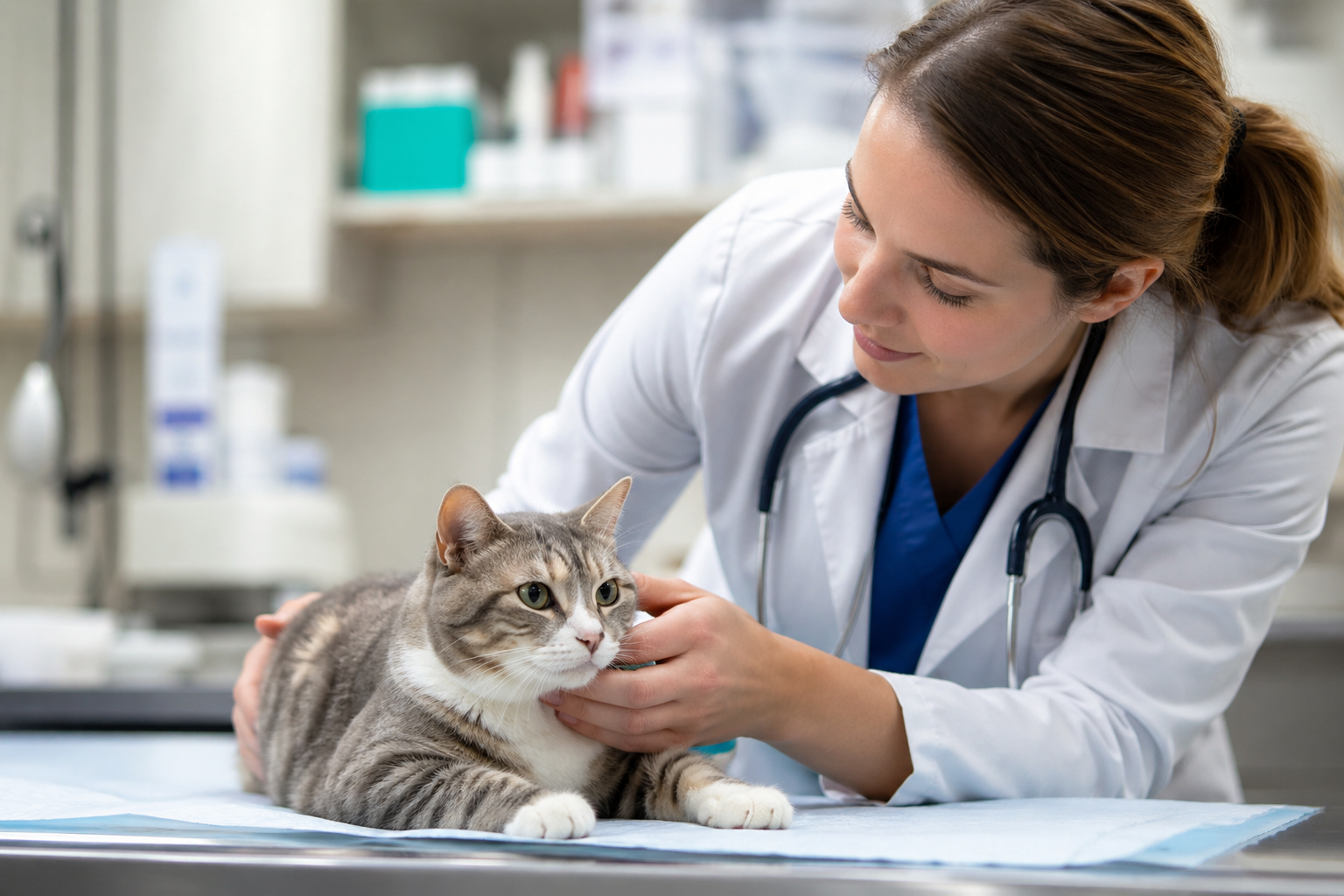
[Insert Image 4 here: exam room photo with veterinarian checking a cat]
Suggested filename: cat-vet-exam-bushnell-fl.jpg
Related Veterinary Care
If your cat is sneezing, congested, eating less, or just does not seem right, learn more about Sick Pet Visits and Internal Medicine & Advanced Diagnostics.
If breathing changes are also present, Urgent Pet Care may be the better fit.
Related Blog Posts
These posts may also be helpful:
Why Is My Cat Breathing Hard? Common Causes and When to Worry
Blocked Cats Are an Emergency: What Every Cat Owner Needs to Know
Clear Next Step
If your cat is sneezing repeatedly, has discharge from the nose or eyes, is eating less, or just does not seem like itself, schedule an appointment with Bushnell Animal Clinic.
Dr. Roger Hart provides doctor-led veterinary care for cats in Bushnell, FL and nearby communities with a focus on clear answers, practical treatment plans, and knowing when a symptom is minor and when it needs closer attention. If you are not sure whether your cat’s sneezing should be evaluated, call the clinic and let us help you decide what to do next.
