Sebaceous Cysts in Dogs: Causes, Symptoms, Diagnosis, and Treatment
Understanding Sebaceous Cysts in Dogs: Causes, Symptoms, and Treatment
Sebaceous Cyst Dr.Roger Hart
By Dr. Roger Hart – Bushnell Animal Clinic
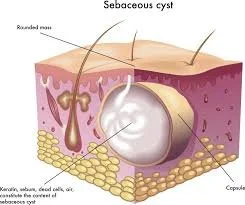
Finding a lump or bump on your dog can be concerning for any pet owner. One common cause of skin lumps in dogs is a sebaceous cyst. While these cysts are usually benign and not life-threatening, they can sometimes become irritated, infected, or uncomfortable for your pet.
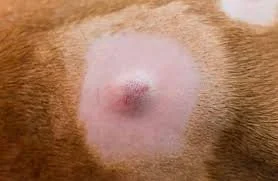
Understanding what sebaceous cysts are, why they develop, and when veterinary care is needed can help dog owners make informed decisions about their pet’s health. At Bushnell Animal Clinic, Dr. Roger Hart and the veterinary team frequently evaluate lumps and bumps in dogs and help pet owners determine the best course of care.
This guide explains everything dog owners should know about sebaceous cysts in dogs, including symptoms, diagnosis, treatment options, and when to see a veterinarian.
What Is a Sebaceous Cyst?
A sebaceous cyst is a small sac under the skin filled with oily or keratinous material produced by sebaceous glands. These glands normally release oils that help keep the skin and coat healthy.
When a gland or hair follicle becomes blocked or damaged, the oil and skin cells may become trapped, forming a cyst beneath the skin.
Sebaceous cysts typically appear as:
Small, round lumps
Smooth or slightly firm bumps
Slow-growing masses under the skin
In many cases, these cysts are harmless and may remain unchanged for long periods of time.
Where Do Sebaceous Cysts Occur?
Sebaceous cysts can form anywhere on a dog’s body but are most often found in areas where sebaceous glands are common.
Common locations include:
Head
Neck
Back
Flanks
Chest
Legs
These cysts are usually located just beneath the surface of the skin and may move slightly when touched.
What Causes Sebaceous Cysts in Dogs?
Sebaceous cysts develop when a hair follicle or sebaceous gland becomes blocked. Several factors may contribute to this blockage.
Blocked Oil Glands
The most common cause is a blocked sebaceous gland. When the gland cannot release oil normally, material accumulates beneath the skin.
Skin Trauma
Minor injuries to the skin can damage hair follicles and lead to cyst formation.
Genetic Predisposition
Some dogs may be more likely to develop sebaceous cysts due to genetics.
Aging
Sebaceous cysts are more frequently seen in middle-aged and older dogs.
Chronic Skin Conditions
Dogs with recurring skin inflammation or infections may be more prone to cyst development.
What Do Sebaceous Cysts Look Like?
Sebaceous cysts can vary slightly in appearance, but they often share several characteristics.
Typical features include:
A round or oval lump under the skin
Smooth surface
Slow growth
Firm or slightly soft texture
Sometimes a small central pore or opening may be visible on the surface of the cyst.
What Happens If a Sebaceous Cyst Ruptures?
In some cases, a sebaceous cyst may rupture. When this occurs, a thick material may be released.
The substance inside the cyst is often:
White
Yellow
Gray
Thick or paste-like
This material contains keratin and skin oils.
Although rupture can relieve pressure in the cyst, it may also cause inflammation or infection, especially if bacteria enter the area.
Signs of a ruptured cyst may include:
Redness
Swelling
Drainage
Tenderness
Hair loss around the area
If this occurs, veterinary evaluation is recommended.
Are Sebaceous Cysts Dangerous?
Most sebaceous cysts are benign and not dangerous. Many dogs live comfortably with these cysts without needing treatment.
However, complications can occur in some cases, including:
Infection
Irritation
Recurring rupture
Rapid growth
Because some tumors can resemble cysts, it is important to have any new lump examined by a veterinarian.
How Veterinarians Diagnose Sebaceous Cysts
At Bushnell Animal Clinic, diagnosing a sebaceous cyst typically involves several steps.
Physical Examination
Your veterinarian will examine the lump and evaluate:
Size
Shape
Texture
Location
Mobility under the skin
These characteristics can provide clues about the type of growth.
Fine Needle Aspirate
A fine needle aspirate may be performed to collect cells from the lump. The cells are then examined under a microscope.
This quick procedure helps determine whether the lump is a cyst, lipoma, or another type of growth.
Biopsy
If the diagnosis is unclear, a biopsy may be recommended. This involves removing a small piece of tissue for laboratory analysis.
Treatment Options for Sebaceous Cysts
Treatment depends on the size, location, and condition of the cyst.
Monitoring
Many sebaceous cysts do not require treatment. Your veterinarian may recommend simply monitoring the lump for changes.
Monitoring includes watching for:
Growth
Redness
Pain
Rupture
Medication
If a cyst becomes infected or inflamed, your veterinarian may prescribe:
Antibiotics
Anti-inflammatory medication
These treatments can help reduce swelling and discomfort.
Surgical Removal
In some cases, surgical removal may be recommended.
Reasons for surgery include:
Repeated rupture
Infection
Rapid growth
Interference with movement
Persistent irritation
During surgery, the entire cyst and surrounding capsule are removed to prevent recurrence.
Can Sebaceous Cysts Be Prevented?
There is no guaranteed way to prevent sebaceous cysts. However, good skin care and overall health may reduce the risk.
Helpful prevention tips include:
Maintain a Healthy Coat
Regular grooming helps keep hair follicles clean and reduces buildup of oils.
Manage Skin Conditions
Prompt treatment of skin infections or allergies can reduce inflammation that may contribute to cyst formation.
Routine Veterinary Exams
Regular checkups allow veterinarians to identify and monitor lumps early.
When Should You See a Veterinarian?
Although many cysts are harmless, certain signs should prompt a veterinary visit.
Contact your veterinarian if you notice:
A rapidly growing lump
Redness or swelling
Pain when touched
Drainage or bleeding
Persistent irritation
Changes in the lump’s texture or size
Early evaluation ensures proper diagnosis and treatment if needed.
Sebaceous Cysts vs Other Dog Lumps
Dogs can develop many types of skin lumps, and some may look similar to sebaceous cysts.
Common types include:
Lipomas (fatty tumors)
Abscesses
Mast cell tumors
Warts
Skin infections
Because some cancerous tumors can resemble benign lumps, veterinary evaluation is always recommended.
Monitoring Lumps at Home
Pet owners can play an important role in monitoring their dog’s health.
Helpful steps include:
Checking your dog’s body regularly while petting or grooming
Noting the size and location of any lumps
Taking photos to track changes
Measuring lumps periodically
If you notice changes, schedule a veterinary exam.
Veterinary Care at Bushnell Animal Clinic
At Bushnell Animal Clinic, Dr. Roger Hart and the veterinary team provide comprehensive care for dogs with skin conditions and lumps.
Services include:
Skin and lump evaluation
Fine needle aspirate testing
Surgical removal of masses
Infection treatment
Preventive care and wellness exams
The goal is to ensure every pet receives accurate diagnosis and compassionate treatment.
Final Thoughts
Sebaceous cysts are a common cause of lumps in dogs and are usually benign. While many cysts require little or no treatment, it is always important to have new or changing lumps examined by a veterinarian.
Early diagnosis helps ensure that any underlying problems are addressed and that your dog remains healthy and comfortable.
If you notice a lump on your dog or have concerns about a skin condition, schedule an appointment with Dr. Roger Hart at Bushnell Animal Clinic. The veterinary team is dedicated to helping pets in the Bushnell community live long, healthy lives. 🐾
Frequently Asked Questions About Sebaceous Cysts in Dogs
What is a sebaceous cyst in dogs?
A sebaceous cyst is a benign lump that forms when a hair follicle or oil gland becomes blocked. The cyst fills with keratin or oily material and develops under the skin.
What does a sebaceous cyst look like on a dog?
Sebaceous cysts usually appear as small, round lumps under the skin. They may be white, yellow, or flesh-colored and sometimes contain thick material if they rupture.
Are sebaceous cysts dangerous for dogs?
Most sebaceous cysts are benign and not dangerous. However, they can become irritated, infected, or rupture, which may require veterinary treatment.
Do sebaceous cysts go away on their own?
Sebaceous cysts usually do not disappear completely without treatment. Some may remain stable for long periods, while others slowly grow larger.
Can sebaceous cysts burst in dogs?
Yes. Sebaceous cysts can rupture and release a thick, often foul-smelling material. When this occurs the area may become inflamed or infected.
Should a sebaceous cyst be removed?
Removal may be recommended if the cyst becomes large, repeatedly ruptures, becomes infected, or interferes with the dog’s comfort.
How are sebaceous cysts diagnosed in dogs?
Veterinarians typically examine the lump and may perform a fine needle aspirate or biopsy to confirm the diagnosis and rule out other types of growths.
Are certain dogs more prone to sebaceous cysts?
Sebaceous cysts can occur in any dog but may be more common in middle-aged or older dogs and certain breeds with skin conditions.
Can sebaceous cysts come back after removal?
If the entire cyst wall is removed during surgery, recurrence is less likely. However, new cysts can develop elsewhere on the body.
When should I see a veterinarian about a lump on my dog?
Any new lump, swelling, or skin growth should be examined by a veterinarian to determine whether it is a benign cyst or another type of mass.
Related Dog Health Articles
If you found this article helpful, you may also want to read these related topics:
• Dog Abscess
• Dog Lump Under Skin
• Canine Papilloma Virus
• Lipoma in Dogs
• Hamartoma in Dogs
• Dog Skin Infection
• Dog Mammary Tumor
• Dog Warts and Skin Growths
• When to Worry About a Lump on Your Dog
• Dog Skin Tumors
