Pyometra in Dogs and Cats: Symptoms, Treatment, and Why Early Action Saves Lives
Pyometra in Dogs and Cats: Symptoms, Treatment, and Why Early Action Saves Lives
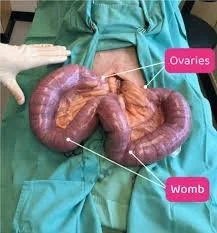
Pyometra is one of the most dangerous reproductive emergencies seen in unspayed female dogs and cats. It develops quickly, progresses silently, and can become fatal in a matter of days if untreated. Many pet owners have never heard of pyometra until it happens to their own animal—often during what seems like a normal heat cycle. Understanding the signs, risks, and treatment options can literally save a pet’s life.
This guide explains what pyometra is, why it happens, how to recognize it early, and what treatment looks like. It also covers prevention, costs, and what to expect during recovery. Whether you’re a new pet owner or an experienced one, this is essential knowledge for anyone caring for an intact female dog or cat.
What Is Pyometra?

Pyometra is a severe, life‑threatening infection of the uterus. The word breaks down into:
Pyo = pus
Metra = uterus
During pyometra, the uterus fills with bacteria, toxins, and thick pus. As the infection worsens, these toxins leak into the bloodstream, causing systemic illness, organ damage, and septic shock. Without treatment, pyometra is almost always fatal.
Pyometra can occur in:
Dogs (very common)
Cats (less common but often harder to detect)
Any unspayed female, regardless of breed
It typically appears 1–2 months after a heat cycle, when hormonal changes create the perfect environment for infection.
Why Pyometra Happens: The Hormonal Connection
Every heat cycle exposes the uterus to progesterone, a hormone that prepares the body for pregnancy. Over time, repeated exposure causes:
Thickening of the uterine lining
Cyst formation
Reduced ability to fight bacteria
This condition is called cystic endometrial hyperplasia, and it creates a warm, moist, nutrient‑rich environment where bacteria thrive.
Bacteria—usually E. coli from the vagina—enter the uterus and multiply rapidly. Because the cervix closes after heat, the infection becomes trapped inside.
This is why pyometra is a disease of unspayed females. Spayed animals do not have a uterus or ovaries, so the condition cannot occur.
Open vs. Closed Pyometra: Why It Matters
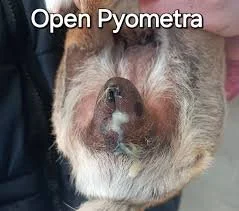
There are two forms of pyometra, and the difference dramatically affects symptoms and urgency.
Open Pyometra
The cervix is open, allowing pus to drain from the body.
Common signs include:
Foul‑smelling vaginal discharge
Increased drinking and urination
Lethargy
Vomiting
Loss of appetite
Because the infection can drain, pets may appear less sick—but the condition is still an emergency.
Closed Pyometra

The cervix is closed, trapping all infection inside the uterus.
This is far more dangerous. Signs include:
No discharge
Rapidly worsening illness
Swollen abdomen
Fever
Collapse
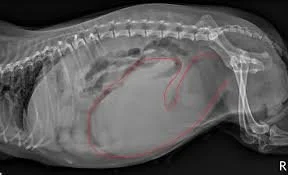
Closed pyometra can cause the uterus to rupture, spilling infection into the abdomen. This leads to septic shock and death if not treated immediately.
Symptoms of Pyometra in Dogs and Cats
Symptoms vary, but most pets show at least a few of the following:
Lethargy or weakness
Vomiting or diarrhea
Excessive thirst
Loss of appetite
Fever
Vaginal discharge (in open pyometra)
Distended abdomen
Panting or restlessness
Sudden behavioral changes
Cats Often Hide Symptoms
Cats are masters at masking illness. Many appear normal until the infection is advanced. Owners may notice only subtle changes:
Hiding
Reduced grooming
Slight appetite changes
Mild lethargy
Because of this, pyometra in cats is often diagnosed later and can be more dangerous.
How Veterinarians Diagnose Pyometra
If pyometra is suspected, a veterinarian will typically perform:
Bloodwork
This often shows:
Elevated white blood cells
Dehydration
Kidney stress
Electrolyte imbalances
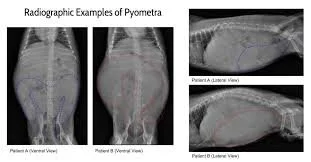
X‑rays
An enlarged, fluid‑filled uterus may be visible.
Ultrasound
This is the most accurate way to confirm pyometra, especially in closed cases.
Physical Exam
A veterinarian may feel an enlarged uterus or notice discharge.
Diagnosis is usually fast because pyometra is an emergency.
Treatment Options for Pyometra
There are two primary treatment paths, but one is overwhelmingly recommended.
Emergency Spay Surgery (Ovariohysterectomy)
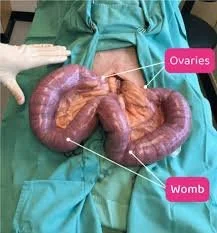
This is the gold standard and most effective treatment.
During surgery, the veterinarian removes:
The infected uterus
Both ovaries
This eliminates the infection at its source.
Benefits:
Highest survival rate
Prevents recurrence
Rapid improvement once infection is removed
Challenges:
More complex than a routine spay
Higher cost due to emergency status
Requires careful handling to avoid uterine rupture
Most pets recover well with prompt surgery.
Medical Management (Prostaglandin Therapy)
This option is rarely recommended and only considered when preserving fertility is essential.
It involves medications that:
Open the cervix
Cause uterine contractions
Expel the infection
Risks:
Only works for open pyometra
Requires hospitalization
High recurrence rate (up to 77% if not bred next heat)
Can cause severe side effects
Risk of uterine rupture
Because of these dangers, most veterinarians advise against medical management unless breeding is a priority.
What Happens If Pyometra Is Not Treated?
Untreated pyometra leads to:
Sepsis
Kidney failure
Uterine rupture
Shock
Death
The progression can be rapid—sometimes within 24–72 hours. This is why pyometra is considered a true veterinary emergency.
Recovery After Pyometra Surgery
Most pets recover well with proper care. Recovery typically includes:
IV fluids
Antibiotics
Pain management
Monitoring for organ stress
Rest and limited activity for 10–14 days
Many pets show improvement within 24–48 hours after surgery.
Cost of Pyometra Treatment
Costs vary widely depending on:
Severity
Location
Emergency fees
Hospitalization needs
Typical ranges:
Dogs: $1,200–$4,000+
Cats: $800–$2,500+
Routine spaying is far less expensive—usually $150–$500—and completely prevents pyometra.
Can Pyometra Be Prevented?
Yes. Spaying is 100% effective at preventing pyometra.
Spaying removes:
The uterus
The ovaries
Without these organs, pyometra cannot occur.
Spaying also reduces risks of:
Mammary cancer
Ovarian cancer
Unwanted pregnancies
Heat‑related behavioral issues
Even older pets benefit from spaying if they are healthy enough for surgery.
Stump Pyometra: A Rare Exception
In rare cases, a spayed pet can develop a condition called stump pyometra. This happens when:
A small piece of ovarian tissue remains
The pet is exposed to external hormones (e.g., topical estrogen creams)
The remaining tissue produces hormones that stimulate the uterine stump, leading to infection.
Treatment involves removing the infected stump and identifying the hormone source.
Why Early Detection Matters
The earlier pyometra is diagnosed, the better the outcome. Early treatment:
Reduces surgical risk
Lowers cost
Improves survival
Prevents organ damage
Waiting even a day or two can dramatically worsen the prognosis.
When to Seek Emergency Veterinary Care
Contact a veterinarian immediately if your dog or cat:
Recently finished a heat cycle
Shows lethargy or vomiting
Has increased thirst
Has vaginal discharge
Has a swollen abdomen
Seems “off” for no clear reason
Pyometra is not a “wait and see” condition. Fast action saves lives.
Final Thoughts
Pyometra is one of the most serious reproductive emergencies in dogs and cats. It develops silently, progresses quickly, and can be fatal without immediate treatment. Understanding the signs and acting fast can make the difference between life and death.
The most effective way to protect your pet is simple: spay your female dog or cat. It eliminates the risk of pyometra entirely and provides long‑term health benefits.
Here is a copy-paste FAQ section you can add to the bottom of your Pyometra in Dogs blog post on Squarespace.
Frequently Asked Questions About Pyometra in Dogs
What is pyometra in dogs?
Pyometra is a serious uterine infection that occurs in female dogs. The uterus fills with pus and bacteria, which can become life-threatening if not treated promptly.
What causes pyometra in dogs?
Pyometra usually develops due to hormonal changes after a dog goes through heat. These changes can allow bacteria to grow in the uterus, leading to infection.
Which dogs are most at risk for pyometra?
Pyometra most commonly affects unspayed female dogs, especially middle-aged or older dogs. However, it can occur in younger dogs as well.
What are the symptoms of pyometra in dogs?
Common signs include lethargy, loss of appetite, vomiting, increased thirst, increased urination, abdominal swelling, and vaginal discharge.
Is pyometra a medical emergency?
Yes. Pyometra is considered a veterinary emergency because the infection can spread into the bloodstream and cause severe illness or death if untreated.
How is pyometra diagnosed in dogs?
Veterinarians diagnose pyometra through physical examination, blood tests, imaging such as X-rays or ultrasound, and evaluation of symptoms.
What is the treatment for pyometra in dogs?
The most common treatment is emergency surgery to remove the infected uterus, similar to a spay procedure. Antibiotics and supportive care are also used.
Can pyometra be prevented?
Yes. The best way to prevent pyometra is to have your dog spayed before the condition develops.
How serious is pyometra in dogs?
Pyometra is a life-threatening condition if left untreated. Early veterinary care greatly improves survival and recovery.
When should I take my dog to the veterinarian for possible pyometra?
If your female dog shows symptoms such as vaginal discharge, lethargy, vomiting, or excessive thirst after a heat cycle, seek veterinary care immediately.
Related Dog Health Articles
You may also find these veterinary articles helpful:
• Emergency Medicine for Pets
• Ultimate Guide to Soft Tissue Surgery in Pets
• Dog Mammary Tumor
• Dog Lump Under Skin
• How to Choose the Right Veterinarian
• Parvovirus in Dogs
