Canine Inguinal Hernias: What Pet Owners Should Know
Canine Inguinal Hernias: What Pet Owners Should Know and When to Seek Veterinary Care
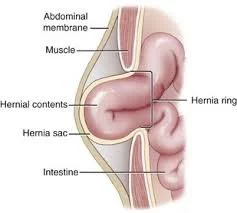
A canine inguinal hernia is a condition where abdominal contents—often fat, tissue, or even organs—push through a weakened area of the inguinal canal near the groin. While some hernias are small and relatively harmless, others can become emergencies if tissue becomes trapped or loses blood supply. For pet owners, understanding how these hernias develop, what symptoms to watch for, and how veterinarians diagnose and treat them can make a major difference in a dog’s outcome.
This long‑form guide walks through everything your clients need to know, written in a way that supports SEO, readability, and veterinary authority.
What Is an Inguinal Hernia in Dogs?
An inguinal hernia occurs when abdominal tissue protrudes through the inguinal canal—an opening located in the lower abdomen where the hind leg meets the body. Dogs have a natural opening here for blood vessels and reproductive structures, but when the surrounding muscles weaken or fail to close properly, a hernia can form.
There are two main types:
Congenital inguinal hernias — present at birth due to incomplete closure of the inguinal canal.
Acquired inguinal hernias — develop later in life due to strain, pregnancy, obesity, trauma, or hormonal influences.
Both types can range from mild to severe, and both require veterinary evaluation.
Which Dogs Are Most at Risk?
While any dog can develop an inguinal hernia, certain factors increase risk:
Female dogs — especially those that are pregnant or intact.
Small‑breed dogs — including Pekingese, Poodles, and Dachshunds.
Dogs with obesity — extra abdominal pressure can contribute to herniation.
Dogs with a family history — congenital hernias often run in bloodlines.
Understanding risk helps owners stay alert to early signs.
Common Signs and Symptoms
Symptoms vary depending on the size and severity of the hernia. Many owners first notice a soft swelling in the groin area. Other signs include:
Groin swelling that may change size
Pain or sensitivity when touched
Limping or stiffness
Vomiting or decreased appetite
Straining to urinate or defecate if organs are involved
Lethargy or restlessness
A hernia that suddenly becomes firm, painful, or discolored is a medical emergency. This may indicate strangulation, where tissue loses blood supply.
What Causes Inguinal Hernias in Dogs?
Several factors can contribute:
Congenital defects — incomplete closure of the inguinal canal at birth.
Pregnancy — increased abdominal pressure.
Trauma — falls, accidents, or rough play.
Obesity — chronic pressure on abdominal walls.
Hormonal influences — especially in intact females.
Understanding the cause helps veterinarians determine the best treatment plan.
How Veterinarians Diagnose Inguinal Hernias
Diagnosis typically includes:
Physical Examination
A veterinarian palpates the groin area to assess swelling, pain, and whether tissue can be gently pushed back into the abdomen.
Imaging
Depending on the case, a vet may recommend:
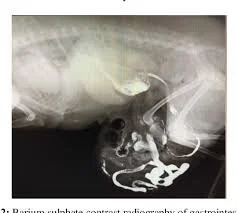
Ultrasound to visualize organs inside the hernia
X‑rays to assess abdominal structures
Bloodwork to evaluate overall health before surgery
These tools help determine whether the hernia is reducible (able to be pushed back in) or incarcerated (trapped).
When an Inguinal Hernia Becomes an Emergency
A hernia becomes dangerous when tissue becomes strangulated, meaning blood flow is cut off. This can lead to tissue death, infection, and life‑threatening complications.
Emergency signs include:
Sudden severe pain
Firm, hot, or discolored swelling
Vomiting or collapse
Inability to urinate or defecate
Any of these symptoms require immediate veterinary care.
Treatment Options for Canine Inguinal Hernias
Monitoring (Rare Cases)
Small, soft, non‑painful hernias in young puppies may be monitored if a veterinarian believes they could close on their own. This is uncommon and always requires professional oversight.
Surgical Repair
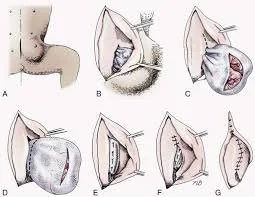
Most inguinal hernias require surgical correction. Surgery involves:
Returning herniated tissue to the abdomen
Closing the defect in the muscle wall
Reinforcing the area to prevent recurrence
If reproductive organs are involved, spaying or neutering may be recommended at the same time.
Post‑Surgical Care
Recovery typically includes:
Restricted activity
Pain management
Monitoring the incision
Preventing licking or chewing
Most dogs recover well with proper care.
Prognosis for Dogs With Inguinal Hernias
The outlook depends on:
Size of the hernia
Whether organs were trapped
How quickly treatment was provided
Overall health of the dog
Dogs treated early often recover fully. Delayed treatment increases the risk of complications.
Preventing Inguinal Hernias in Dogs
While not all hernias can be prevented, owners can reduce risk by:
Maintaining a healthy weight
Avoiding breeding dogs with congenital hernias
Preventing trauma
Spaying females not intended for breeding
Early detection is the most important factor.
SEO‑Friendly FAQ Section
Can an inguinal hernia in a dog go away on its own?
Most do not. Some congenital hernias in puppies may close naturally, but this is uncommon and requires veterinary monitoring.
Is an inguinal hernia painful for dogs?
It can be. Pain increases if tissue becomes trapped or strangulated.
How serious is an inguinal hernia in a dog?
It ranges from mild to life‑threatening. Any suspected hernia should be evaluated by a veterinarian.
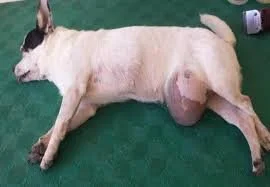
What does an inguinal hernia look like?
A soft or firm swelling in the groin area, sometimes changing in size.
How much does hernia surgery cost?
Costs vary by region, severity, and whether emergency care is needed. A veterinarian can provide an accurate estimate.
Final Thoughts for Pet Owners
Inguinal hernias in dogs are treatable, especially when caught early. Because they can progress quickly, any swelling or unusual change in your dog’s groin area should be examined promptly by a veterinarian. Early diagnosis and appropriate care give dogs the best chance at a full, comfortable recovery.
Here is a copy-paste FAQ section you can place at the bottom of your Canine Inguinal Hernias blog post on Squarespace.
Frequently Asked Questions About Inguinal Hernias in Dogs
What is an inguinal hernia in dogs?
An inguinal hernia occurs when abdominal contents such as fat, intestines, or other tissues push through a weakness in the abdominal wall near the groin area.
What causes inguinal hernias in dogs?
Inguinal hernias may be congenital (present at birth) or develop later due to trauma, pregnancy, obesity, or increased abdominal pressure.
Which dogs are most likely to develop inguinal hernias?
Inguinal hernias are more commonly seen in female dogs, particularly middle-aged or pregnant dogs, although they can occur in any breed.
What are the symptoms of an inguinal hernia in dogs?
Common signs include swelling or a soft lump in the groin area, discomfort, difficulty walking, vomiting, or lethargy if the hernia becomes severe.
Are inguinal hernias dangerous for dogs?
Some inguinal hernias may remain small and stable, but others can become serious if organs become trapped in the hernia. This can interfere with blood flow and become a medical emergency.
How are inguinal hernias diagnosed in dogs?
Veterinarians typically diagnose inguinal hernias through physical examination and may use imaging such as X-rays or ultrasound to evaluate the contents of the hernia.
What is the treatment for inguinal hernias in dogs?
Treatment usually involves surgical repair of the abdominal wall to return the displaced tissue to its proper position and close the defect.
How long does recovery take after hernia surgery?
Most dogs recover within two to three weeks after surgery with proper rest and post-operative care.
Can inguinal hernias return after surgery?
Recurrence is uncommon when the hernia is properly repaired, but follow-up veterinary care is important during recovery.
When should I take my dog to the veterinarian for a groin swelling?
Any swelling or lump in the groin area should be evaluated by a veterinarian to determine whether it is a hernia or another condition.
Related Dog Health Articles
You may also find these veterinary articles helpful:
• Ultimate Guide to Soft Tissue Surgery in Pets
• Dog Lump Under Skin
• Lipoma in Dogs
• Sebaceous Cyst in Dogs
• Mast Cell Tumor in Dogs
• Dog Abscess
• Emergency Medicine for Pets
