Dog Not Eating and Lethargic: What to Do and When to Seek Help
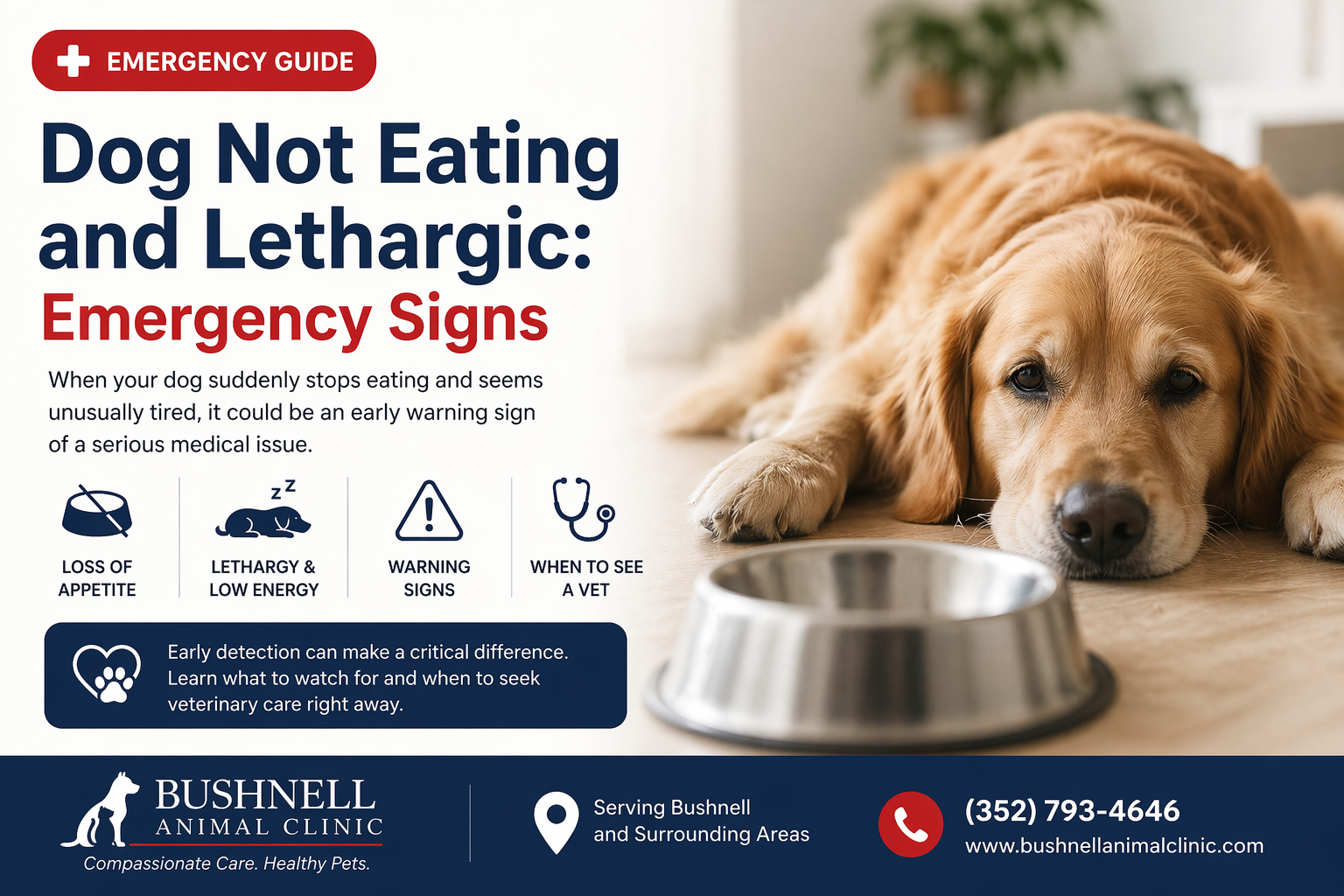
Dog Not Eating and Lethargic: Emergency Signs
Are you a dog owner concerned about your pet’s sudden loss of appetite and energy? This article is for you. Here, we’ll cover how to recognize emergency signs, understand the possible causes, and know exactly what steps to take if your dog is not eating and acting lethargic. Early action can save lives—knowing when to monitor and when to seek veterinary care can make a critical difference in your dog’s health and recovery.
A dog that stops eating and becomes lethargic often requires professional evaluation to rule out serious issues. Signs requiring immediate veterinary attention include persistent lethargy, not eating for more than 24 hours, or signs of severe symptoms like vomiting or difficulty breathing.
A dog not eating combined with lethargy often indicates an underlying illness, such as infections, organ failure, ingestion of toxins, or metabolic issues. At Bushnell Animal Clinic, we see this combination of symptoms frequently, and while it can sometimes be minor, it is often one of the earliest warning signs that something deeper is going on internally. Lethargy and lack of appetite are common symptoms that can indicate a wide range of conditions, from mild issues to life-threatening emergencies. Monitoring your dog's health and behavior, and being alert to accompanying symptoms, is crucial for early intervention. Dogs rely on regular nutrition for energy, immune health, and organ function, so a consistent loss of appetite should not be ignored. Recognizing the difference early can make a significant impact on your dog’s outcome.
Why Dogs Stop Eating and Become Lethargic

Loss of appetite and low energy often occur together because they are both responses to stress, illness, or discomfort in the body. Underlying medical conditions such as diabetes, heart disease, or hypothyroidism can also cause these symptoms. When something is wrong internally, your dog’s normal behavior changes quickly.
Common Reasons for Appetite Loss and Lethargy
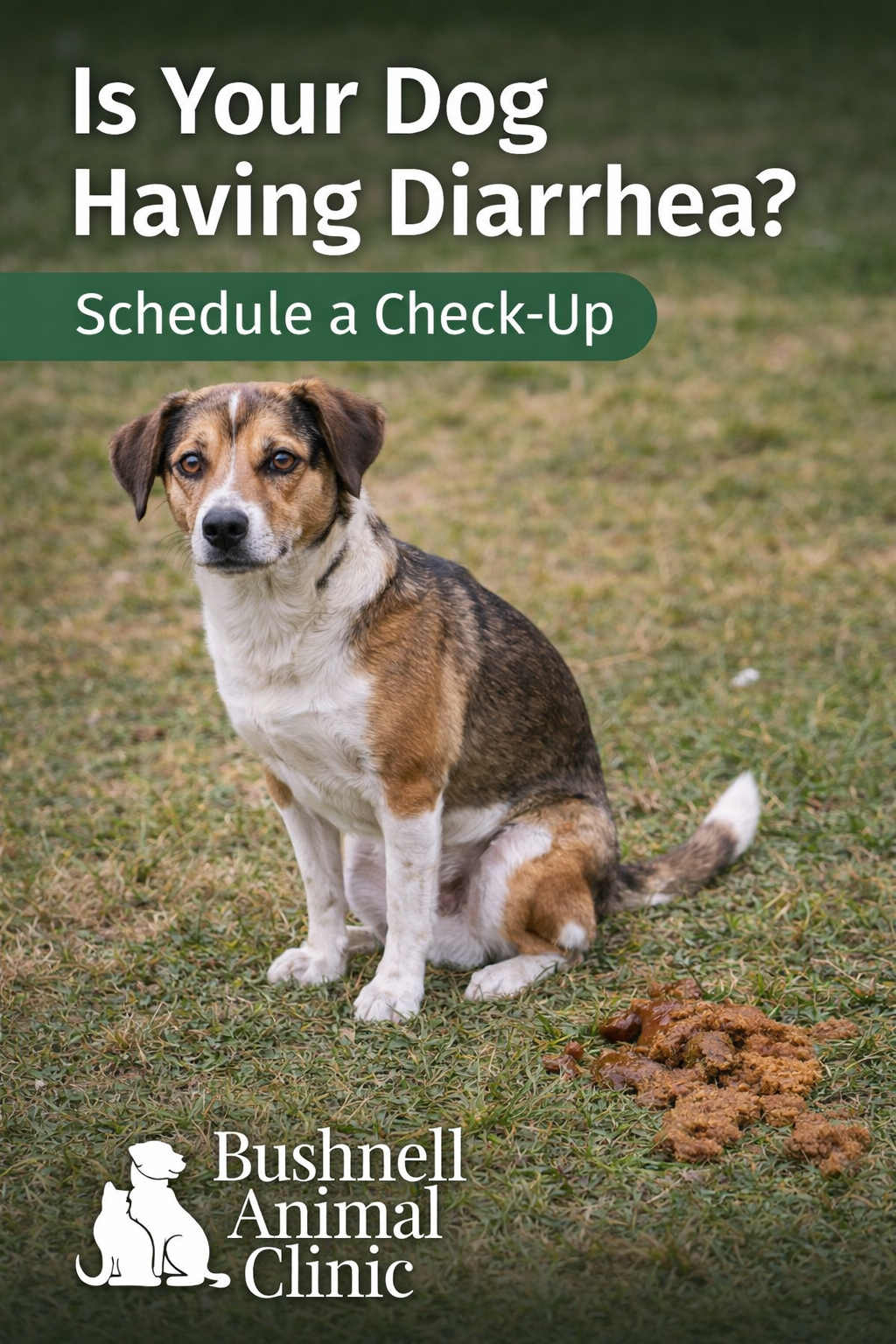
gastrointestinal upset or inflammation
infections affecting energy levels
pain that reduces appetite and movement
pain from dental disease, arthritis, or internal injuries
metabolic or organ-related disease
minor digestive issues
toxin exposure or environmental factors
If minor digestive issues are suspected, offering a bland diet such as boiled chicken and white rice can help, but fatty or seasoned foods should be avoided. Stress or anxiety, often triggered by changes in environment or routine, can also result in lethargy and appetite loss. Lethargy and loss of appetite are common symptoms for a wide range of underlying illnesses, including infections, organ failure, ingestion of toxins, or metabolic issues.
These symptoms are not specific to one condition, which is why they are often evaluated through Internal Medicine & Advanced Diagnostics to determine the underlying cause.
Transition: Next, let’s look at how to recognize lethargy in your dog and what signs to watch for.
Signs of Lethargy to Watch For
What Is Lethargy in Dogs?
Lethargy in dogs refers to a lack of energy or interest in normal activities, and can be a marker for a wide variety of conditions, ranging from temporary stress to life-threatening emergencies.
Recognizing Lethargy in Dogs
Lethargy in dogs can be subtle or obvious, but recognizing the signs early is key to protecting your pet’s health. A lethargic dog may lose interest in normal activities like playing, greeting family members, or going for walks. You might notice your dog sleeping more than usual, seeming unusually tired, or not responding to their favorite toys or treats. Sometimes, lethargy in dogs is accompanied by a decrease in appetite, vomiting, diarrhea, or even difficulty breathing.
It’s important to pay close attention to your dog’s behavior and energy levels. If your dog is lethargic and you notice additional symptoms such as pale gums, extreme weakness, or labored breathing, these can be warning signs of serious underlying conditions like kidney disease, liver disease, or severe infections. These symptoms should never be ignored, as they often require immediate veterinary care. Monitoring for these changes and seeking veterinary attention promptly can make all the difference in your dog’s recovery and long-term health.
Transition: Now that you know how to spot lethargy, let’s discuss when it might not be an emergency—and when it is.
When It Is NOT an Emergency
There are situations where a dog may skip a meal and still be otherwise normal. If your dog is alert, drinking water, and behaving normally aside from missing one meal, monitoring may be appropriate.
Situations That May Not Be Emergencies
skipped one meal but still active
mild tiredness after exercise or hot weather
temporary stress or environmental change
no vomiting, diarrhea, or pain
A tired dog may simply need rest, especially after physical activity or exposure to hot weather. Creating a quiet, cozy space for your dog to recover and limiting stimulation can help them bounce back from mild lethargy. Encouraging your dog to drink water is essential, and offering low-sodium bone broth can help with hydration and provide nutrients, especially if your dog has been in the heat.
Even in these cases, symptoms should improve within 24 hours. If they persist, further evaluation is recommended.
However, certain warning signs mean you should seek veterinary care immediately.
Warning Signs That Change Everything
The situation becomes more serious when loss of appetite and lethargy occur alongside other symptoms. These combinations often indicate that the body is struggling to maintain normal function.
Symptoms That Require Immediate Attention
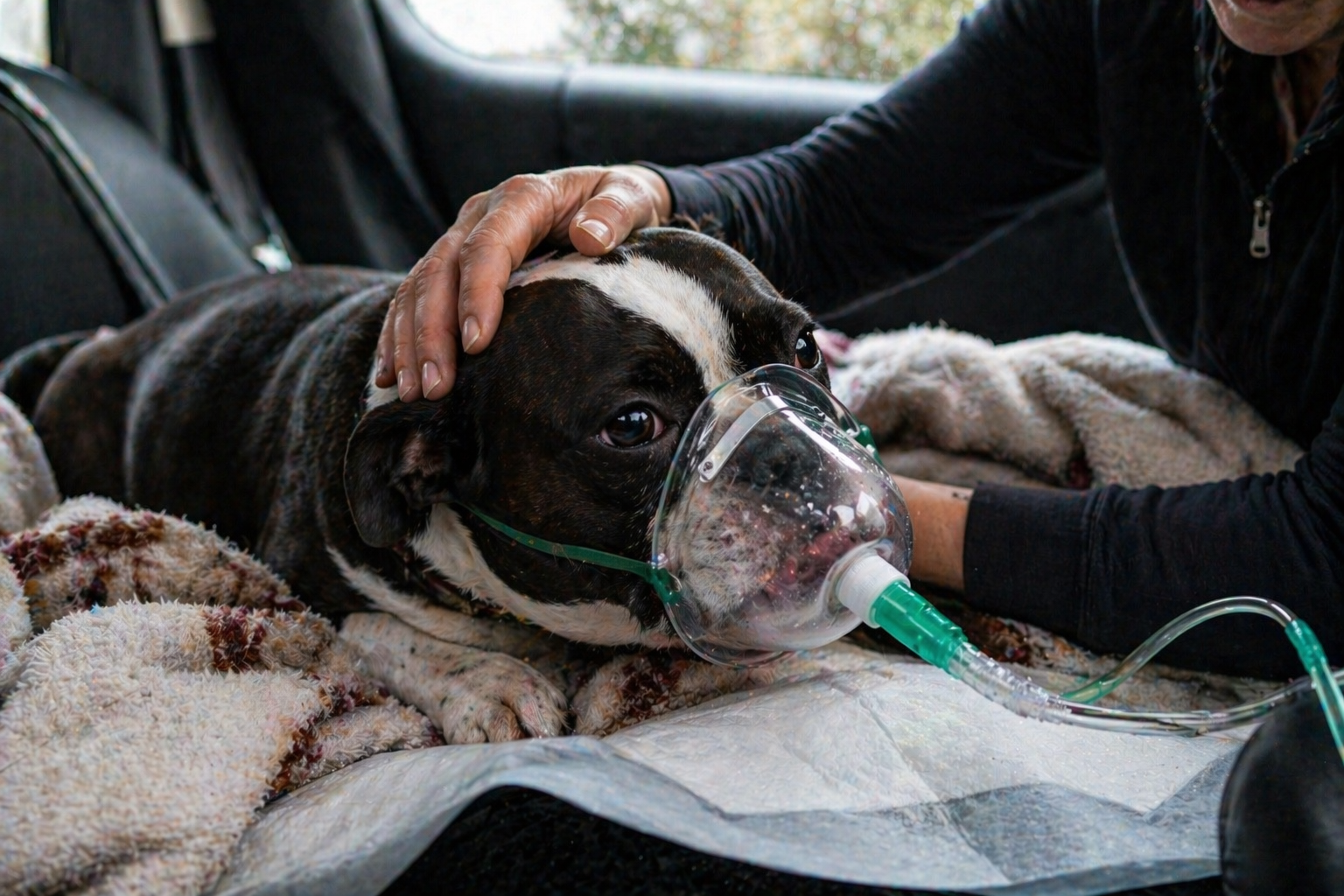
vomiting or diarrhea
refusal to drink water
weakness, trouble standing, or collapsing
rapid breathing or labored breathing
abdominal pain or swelling
pale gums or unusual coloration
signs of severe allergies, such as difficulty breathing or facial swelling
If your dog refuses to eat or drink, or if there are accompanying symptoms like vomiting, diarrhea, or difficulty breathing, immediate veterinary care is needed. If your dog is too weak to stand or collapses, this could indicate severe internal issues such as internal bleeding or heart failure.
These signs often require a Sick Pet Visit to evaluate whether emergency care is needed.
Transition: Understanding when symptoms become emergencies is crucial—let’s review exactly when to seek veterinary attention.
When This Becomes an Emergency Requiring Veterinary Attention
There are clear situations where you should not wait. When certain symptoms appear together, such as severe lethargy, the risk of serious illness increases significantly.
Emergency Situations
not eating for more than 24 hours with lethargy
sudden collapse or inability to stand
repeated vomiting or diarrhea
signs of dehydration
possible toxin ingestion
extreme weakness or disorientation
symptoms that progress rapidly
These situations can involve conditions like internal bleeding, severe infection, or organ dysfunction. Some life-threatening conditions, such as severe anemia, shock, or critical respiratory issues, require immediate veterinary attention at an emergency clinic or with an emergency vet. Common infections like parvovirus, distemper, leptospirosis, heartworm, and kennel cough can cause severe lethargy and loss of appetite. Ingesting household toxins or certain human foods, such as garlic or onions, can also lead to sudden, severe lethargy. Immediate veterinary care is critical.
Quick Emergency Checklist
If your dog shows any of the following, seek care immediately:
cannot stand or walk
breathing is abnormal
vomiting repeatedly
gums are pale or blue
shows signs of severe pain
Transition: Next, let’s explore the most common medical causes behind these symptoms.
Common Causes Behind These Symptoms When a Dog Stops Eating
Potential Medical Causes
Understanding the potential causes helps explain why these symptoms should be taken seriously.
gastrointestinal disease such as pancreatitis
kidney or liver disease
infections or immune-related conditions
toxin ingestion (foods, medications, chemicals)
endocrine disorders affecting metabolism
neurological disorders
dental disease
allergic reactions to dog food or environmental allergens
Underlying medical conditions can complicate both diagnosis and treatment, making prompt veterinary evaluation essential.
Monitoring changes in your dog's appetite can provide important clues to underlying health issues.
Each of these conditions requires different treatment, which is why diagnostics play a critical role in determining the next step.
Transition: Now, let’s discuss why waiting to seek care can be risky for your dog.
Why Waiting Can Be Risky
Risks of Delaying Care
One of the biggest mistakes we see is waiting too long because the symptoms seem mild at first. Dogs are very good at hiding illness, which means by the time symptoms are noticeable, the condition may already be progressing. Some medical conditions can progress rapidly, so early recognition of your dog's symptoms is essential.
Delaying care can lead to:
worsening dehydration
progression of infection
increased pain or discomfort
more complex treatment needs
Keeping a record of your dog's behavior, including when you first noticed lethargy and any accompanying symptoms, can be helpful for your veterinarian in diagnosing potential health issues.
Early intervention almost always leads to better outcomes. Tracking your dog's symptoms and reporting them accurately to your veterinarian can help ensure timely intervention.
Transition: If you suspect your dog has eaten something toxic, here’s what you should do next.
What to Do If Your Dog Ate Something Toxic
If you suspect your dog has ingested something toxic, acting quickly can be lifesaving. Common toxic substances for dogs include chocolate, grapes, raisins, certain human medications, and household chemicals. Signs that your dog may have eaten something harmful include sudden lethargy, vomiting, diarrhea, difficulty breathing, or extreme weakness.
In this situation, do not wait—seek urgent veterinary care right away. Bring any packaging or information about the substance your dog may have eaten to help your veterinarian determine the best course of action. At the clinic, your veterinary team may perform diagnostic tests such as blood tests to assess the severity of the toxicity and guide appropriate treatment. In some cases, your dog may need to be hospitalized for close monitoring and supportive care. Prompt action and clear communication with your veterinarian can make a critical difference in your pet’s outcome.
Transition: Let’s look at what you can expect during a veterinary visit for these symptoms.
What Happens During a Veterinary Visit
When your dog is evaluated, the goal is to determine both severity and cause. This starts with a physical exam and often includes diagnostic testing to get a clearer picture of what’s happening internally. It’s important to provide your veterinary team with a detailed description of your dog's symptoms and any changes in your dog's energy levels, as this information helps guide the evaluation and ensures timely, accurate care.
Diagnostic Steps During a Veterinary Visit
Physical examination
Bloodwork to assess organ function
Imaging if needed (such as X-rays or ultrasound)
Hydration and supportive care
Treatment based on findings
This process helps move from symptoms to a clear diagnosis quickly.
Transition: Environmental factors can also play a role—here’s what to consider locally in Bushnell.
Local Considerations in Bushnell
In Bushnell, environmental factors can play a significant role in these symptoms. Hot weather can cause mild lethargy in dogs, especially in senior dogs or those with underlying health issues, as they may be more sensitive to temperature changes and environmental stressors. Heat exposure, parasites, and toxins are more common and can contribute to sudden changes in appetite and energy.
Local Risks for Dogs
Dogs that spend time outdoors are at higher risk for:
heat-related illness
exposure to harmful substances
infections from parasites
These local factors make it even more important to take symptoms seriously.
Transition: While you prepare to visit the vet, here’s how you can help your dog at home.
How to Respond at Home First
While some situations require immediate care, there are steps you can take while preparing to visit the vet.
At-Home Steps
monitor your dog closely for changes
ensure access to fresh water
avoid forcing food
keep your dog calm and comfortable
contact your veterinarian for guidance
These steps help stabilize your dog while you determine the next move.
Transition: Appetite loss and lethargy often occur with other symptoms—let’s see how these connect.
How This Connects to Other Symptoms
Loss of appetite and lethargy are often part of a larger pattern. A variety of symptoms can accompany lethargy, such as changes in breathing, additional health signs, or specific medical conditions, and it is important to identify what accompanies lethargy to determine its cause and urgency. You should also monitor your dog for dehydration, which can be characterized by dry gums and skin tenting.
Related Symptoms to Watch For
vomiting or nausea
increased or decreased drinking
changes in bathroom habits
weight loss over time
These patterns help guide diagnosis and treatment decisions.
Transition: Prevention is always better than cure—here’s how to keep your dog healthy.
Preventing Lethargy in Dogs
Keeping your dog healthy and energetic starts with prevention. Regular veterinary check-ups are essential for catching underlying conditions early and addressing health concerns before they become serious. Feeding a balanced diet, providing daily exercise, and offering plenty of mental stimulation all help maintain your dog’s energy levels and overall well-being.
It’s also important to be vigilant about potential hazards in your home and environment. Prevent your dog from accessing toxic substances, such as certain foods, plants, and chemicals, to reduce the risk of accidental poisoning and subsequent lethargy. If you notice any changes in your dog’s behavior or signs of lethargy, don’t hesitate to seek veterinary attention. Early intervention can make all the difference, helping your dog stay happy, healthy, and full of life for years to come.
Transition: Let’s wrap up with a summary and answers to common questions.
Conclusion
When your dog is not eating and acting lethargic, it is always worth paying close attention. While some cases are mild, others can signal serious underlying conditions that require prompt care.
If your dog’s symptoms persist, worsen, or include additional warning signs, contact Bushnell Animal Clinic or seek emergency care. Acting early gives your dog the best chance for a full recovery.
FAQ
How long can a dog go without eating before it’s serious?
If your dog has not eaten for 24 hours and is also lethargic, it should be evaluated by a veterinarian.
Is lethargy always a bad sign?
Mild tiredness can be normal, but persistent lethargy combined with other symptoms is concerning.
What if my dog is drinking but not eating?
This can still indicate illness and should be monitored closely, especially if energy levels are low.
Should I wait overnight?
If symptoms are worsening or severe, waiting is not recommended.
