Pet Care Guide for Dogs & Cats in Bushnell, Florida
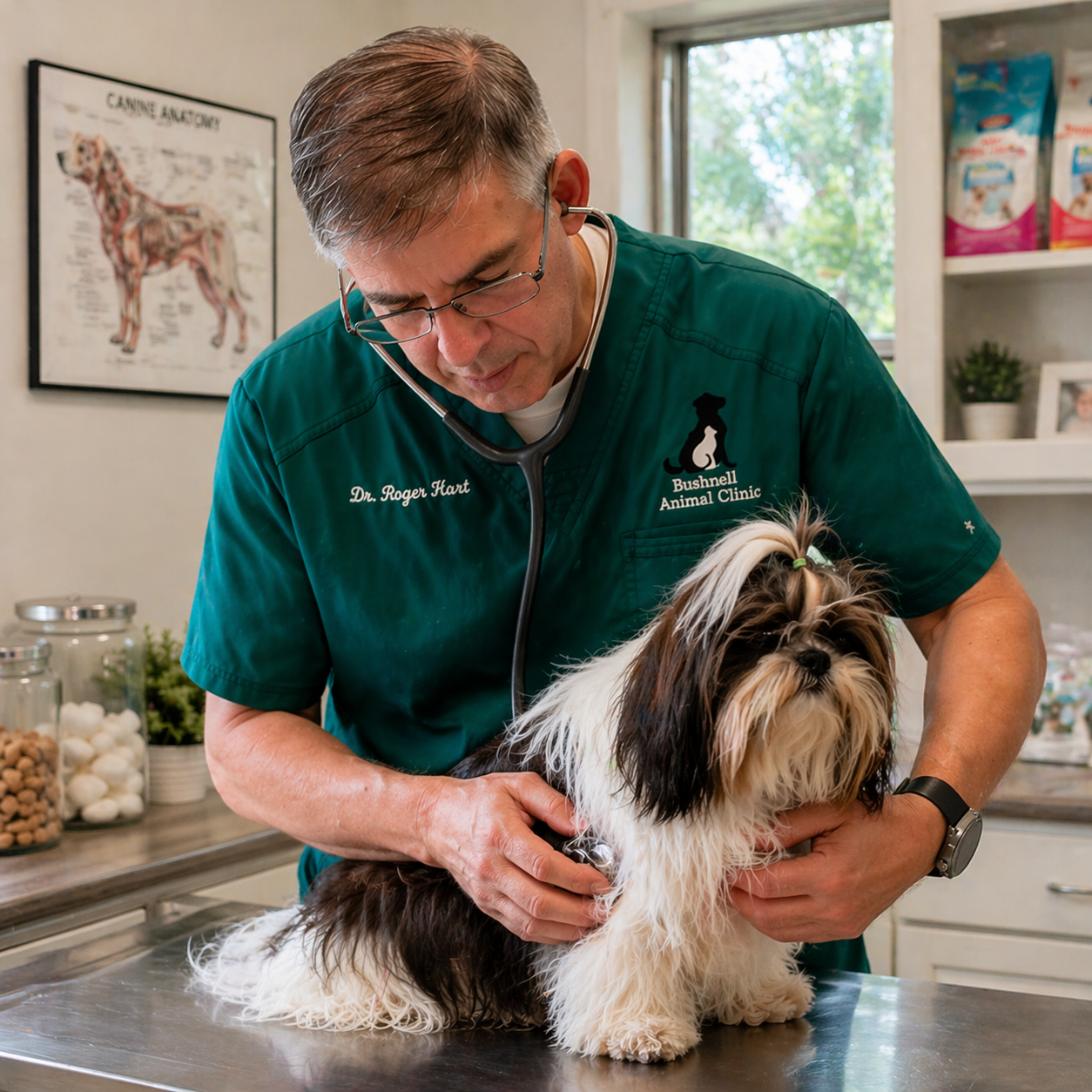
Taking care of a pet involves a lifelong commitment to their physical health, mental well being, and overall safety. Owning a pet brings both rewarding experiences and important responsibilities, as pet parents in Bushnell and throughout Central Florida know. Understanding what comprehensive pet care looks like in 2026 can make all the difference in your companion’s quality of life. From daily nutrition and exercise routines to vaccinations, diagnostics, dental cleanings, surgery, and senior support, every aspect of care plays a role in keeping your dog or cat healthy for years to come.
At Bushnell Animal Clinic, we are a doctor-led veterinary clinic serving Central Florida pet families with services including wellness exams, vaccinations, diagnostics and imaging, internal medicine, surgery, dental care, urgent daytime evaluations, and senior pet care. We pride ourselves on building strong relationships with our clients, providing trustworthy, personal care that puts your pet’s well-being first. This article provides practical, step-by-step guidance for everyday care at home plus clear pointers on when to call a veterinarian.
What this guide covers:
Daily essentials: feeding, fresh water, exercise, grooming, and identification
Wellness exams and vaccine schedules for puppies, kittens, and adults
Florida-specific preventive care for heartworm, fleas, ticks, and parasites
Diagnostics, internal medicine, and surgical services
Dental health and professional cleanings
Senior pet monitoring, mobility support, and quality-of-life planning
Red-flag symptoms requiring urgent veterinary attention
Our focus is on dogs and cats, with examples specific to Central Florida’s warm, humid climate and common health risks. While pet care services can include options like dog walking, pet sitting, boarding, and drop-in visits to cater to unique needs, this guide centers on veterinary medical care. Pet owners can now access online tools or apps to seamlessly book, manage, and retrieve pet records and care services, making the process convenient and efficient. When searching for a pet sitter, we recommend scheduling a Meet & Greet to ensure the sitter is a good match for your animal’s needs. Many pet sitting platforms require sitters to pass identity verification and provide verified reviews from other pet owners to ensure reliability, and pet owners can filter sitters based on their pet’s specific care needs, such as size, grooming requirements, and whether they need a fenced-in garden.
Daily Pet Care Basics at Home

Essential pet care includes a balanced, age-appropriate diet, regular veterinary check-ups, proper identification, and a safe environment.
Everyday routines in your house form the foundation for long-term health, and as a responsible owner, your daily actions play a crucial role in your pet's well-being. What you do each day matters more than any single vet visit. Below are practical tips to help owners maintain healthy daily routines for their pets.
Feeding and Nutrition
Essential pet care includes providing a balanced, age-appropriate diet. High-quality pet food should list a named protein, such as chicken or beef, as the first ingredient and avoid vague terms like “animal product.” Look for the Association of American Feed Control Officials (AAFCO) label confirming the food is “complete and balanced” for specific life stages.
Dogs typically need three to four meals per day as puppies, but after one year of age, one meal per day is usually sufficient, and fresh, clean water should always be available. Cats require higher protein levels and essential taurine to prevent heart and eye problems. For tailored nutrition advice, consulting a veterinarian is recommended regarding your pet’s health and dietary needs. As an example, maintaining a consistent feeding routine can help prevent obesity and digestive issues in pets. Monitoring your pet's weight and behavior is important to catch potential health issues early; consult with a veterinarian for advice specific to your pet.
Avoid dangerous foods: grapes can cause acute kidney failure in dogs, onions trigger red blood cell damage, and xylitol causes rapid blood sugar drops and liver damage within minutes.
Fresh Water and Hydration
In Central Florida’s warm, humid environment, refresh water bowls daily and wash them at least twice weekly. Bacteria like Pseudomonas thrive in warm, stagnant water and can cause digestive upset.
Exercise Requirements
Regular exercise is essential for pets. Dogs typically need 30 minutes to two hours daily depending on breed—smaller breeds like Chihuahuas do well with 30-minute walks split into two sessions, while larger breeds like Labradors need 60-90 minutes including fetch or agility play. For pet owners looking for tips, try scheduling walks at the same time each day and rotating toys to keep things interesting. Cats benefit from several short play sessions using wand toys or laser pointers, ideally 15-20 minutes twice daily. Puzzle feeders can dispense 10-20% of daily kibble to combat boredom. Dog walkers can help maintain these routines when your schedule is unpredictable, and many pet owners find local services through platforms based on specific care requirements.
Grooming Essentials
Regular grooming for pets helps reduce shedding and can identify tick or flea issues early. Short-haired pets need weekly brushing, while long-haired varieties benefit from daily attention to prevent matting. Trim nails biweekly at 45-degree angles, clean ears weekly with vet-approved solutions, and bathe every 4-6 weeks using gentle shampoos that won’t strip natural oils.
Identification and Safety
Pets should wear a collar with up-to-date ID tags and should be microchipped for proper identification. Microchipped pets with current registry information are recovered at significantly higher rates. Pet-proofing your home involves securing loose electrical cords, removing toxic houseplants, and keeping cleaning chemicals out of reach. It’s important to maintain a safe environment, which includes kennel training for dogs and ensuring indoor cats have a well-maintained litter box and stimulating toys.
Wellness Exams & Vaccinations
Even pets that seem healthy benefit from routine veterinary oversight. Annual veterinary exams are recommended for both dogs and cats, and the specific wellness exam protocols and vaccine schedules may vary depending on the species. This helps ensure their health and happiness and allows for monitoring of any potential health issues.
What Happens During a Wellness Visit
At Bushnell Animal Clinic, a nose-to-tail physical exam includes listening to heart and lungs (detecting murmurs in 10-15% of apparently healthy dogs), weight assessment, body condition scoring on a 9-point scale, and discussion of behavior and lifestyle. Monitoring a pet’s weight and behavior helps catch potential health issues early.
Vaccine Schedules
Puppies should first visit the veterinarian at about three weeks old for a physical exam and testing for worms, and to discuss vaccinations and spaying or neutering. Core vaccines for dogs begin at 6-8 weeks with DA2PP (distemper, adenovirus-2, parvovirus, parainfluenza), repeated every 3-4 weeks until 16 weeks, then rabies at 12-16 weeks.
Cats should be taken to the veterinarian for annual visits to check for worms and ensure vaccinations are up to date, starting from around eight weeks old for spaying or neutering. The FVRCP vaccine (feline viral rhinotracheitis, calicivirus, panleukopenia) follows identical timing, plus rabies.
Florida lifestyle vaccines commonly recommended include leptospirosis for dogs exposed to standing water, Bordetella for those visiting boarding or grooming facilities, and feline leukemia for outdoor cats.
Florida Statute 828.30 mandates rabies vaccination for dogs and cats over 4 months with county licensing. Keep printed and digital copies of records for travel and emergencies.
Preventive Care for Florida Pets
Living in Central Florida presents specific risks: persistent heat, humidity, mosquitoes, fleas, ticks, and year-round allergens. Preventative care is important for a variety of pets—including reptiles, birds, and pocket pets—as each may have unique needs. Preventative care includes staying current on vaccinations and year-round parasite prevention for fleas, ticks, and heartworm.
Heartworm Prevention
Year-round temperatures above 50°F sustain mosquito populations that transmit heartworm. Unprotected pets face 1-5% infection rates statewide. Monthly preventives containing ivermectin or milbemycin eliminate early-stage larvae, while injectable options provide 6-12 month protection. Annual heartworm testing via antigen detection is essential before starting or continuing prevention.
Flea and Tick Control
Florida’s mild winters allow 365-day parasite cycles unlike northern states with dormant periods. Modern isoxazoline products kill fleas and ticks within 12 hours. Skipping winter doses puts your dog or cat at risk for flea allergy dermatitis (affecting 15-20% of sensitive pets) and tick-borne diseases like Ehrlichia.
Parasite Screening
Fecal exams detect roundworms, hookworms, and other intestinal parasites common in puppies and kittens. We recommend at least annual stool checks, or quarterly for high-risk pets.
Baseline Bloodwork
Routine blood panels starting around age 7 for dogs and 8-10 for cats reveal early kidney disease, liver issues, and other conditions before clinical signs appear. Dental disease prevention, covered in detail below, also belongs in your preventive care plan.
Diagnostics, Internal Medicine & Surgery
Not all health issues are visible from the outside. Our veterinarians treat your pets with compassion and expertise during diagnostics and procedures, ensuring they feel comfortable and cared for. Thorough diagnostics and clear communication provide a reassuring experience for pet owners, offering peace of mind by identifying causes early—often before symptoms become severe.
Diagnostic Tools
Bushnell Animal Clinic offers in-house bloodwork with results in minutes, digital X-rays with high resolution for pneumonia or fracture detection, ultrasound for real-time organ assessment, and urinalysis to spot kidney or bladder problems. Reliable answers mean faster treatment decisions.
Internal Medicine
Managing chronic conditions requires knowledgeable medical oversight. This includes diabetes (controlled with insulin and diet monitoring), kidney disease (managed with renal diets restricting phosphorus), thyroid imbalances, allergies, and gastrointestinal problems. Many pets with ongoing conditions live wonderful lives with proper medication and monitoring.
Surgical Services
Common surgeries include spay/neuter procedures (reducing mammary cancer risk by 99% when performed before first heat), mass removals, wound repairs, and abdominal surgeries. Our anesthesia protocols mandate pre-op bloodwork, IV fluid support, and multiparametric monitoring including heart rate, blood pressure, and oxygen saturation throughout procedures. Multimodal pain control addresses discomfort before and after surgery.
Owners should expect fasting guidelines before procedures, activity restrictions during recovery, incision checks at home, and clear instructions on when to contact the clinic about complications.
Dental Care for Dogs & Cats
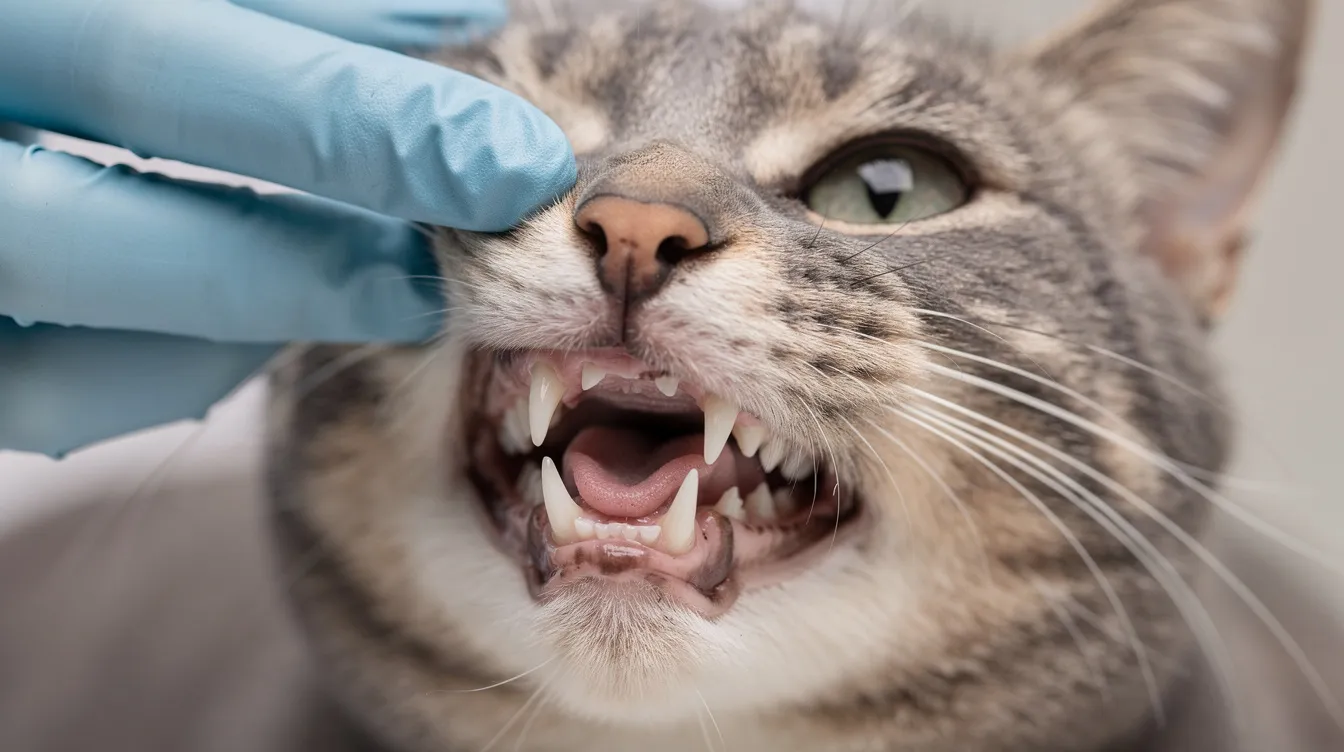
Periodontal disease affects approximately 80% of pets by age 3, yet remains one of the most overlooked health problems. Bacteria from untreated dental disease can enter the bloodstream, affecting heart and kidney function.
Signs of Dental Trouble
Watch for halitosis, red or bleeding gums, yellow or brown tartar buildup, pawing at the mouth, and reluctance to chew hard food or play with toys.
Professional Dental Cleanings
A professional cleaning under anesthesia includes thorough examination, dental X-rays when indicated (since 80% of dental pathology lies below the gumline), scaling above and below the gumline, polishing, and extractions when necessary.
Home Dental Care
Dental hygiene for pets involves brushing teeth daily or several times a week with pet-safe toothpaste to prevent gum disease and systemic infections. Dental care for pets includes brushing teeth at least 2-3 times per week to maintain oral health. Introduce brushing gradually, and consider VOHC-approved dental chews that reduce plaque by up to 55%. Most Central Florida pets benefit from professional cleanings every 1-2 years depending on breed, age, and home care consistency.
Senior Pet Care & Quality of Life
Dogs are generally considered senior around age 7 (earlier for giant breeds), while cats reach senior status around 8-10 years. With proper care, many now live well into their teens. If you’re looking for an idea to better support your senior pet, consider exploring new enrichment activities or even deepening your passion for animal care through pet health education.
Age-Related Changes
Common signs include slower movement, vision or hearing changes, weight fluctuations, and cognitive changes like confusion or restlessness at night. An older cat may sleep more, vocalize differently, or miss the litter box occasionally.
Enhanced Monitoring
We recommend senior pets visit every 6 months for comprehensive exams including bloodwork with SDMA for early kidney detection, blood pressure checks (elevated in 20-60% of senior pets), and arthritis assessments using pain scales like the Feline Grimace Scale.
Mobility and Comfort
Pain management options include medications, joint supplements like glucosamine and chondroitin, weight management plans, and home modifications like ramps and non-slip mats. Physical therapy referrals can help maintain muscle mass when sarcopenia reduces strength by 20-30% in aging pets.
Nutrition and Quality of Life
Senior diets address kidney support, weight control, or joint health depending on individual needs. Monitor appetite and thirst closely for changes.
Quality-of-life scales like HHHHHMM (evaluating Hurt, Hunger, Hydration, Hygiene, Happiness, Mobility, and More good days than bad) help families have compassionate conversations about hospice care and end-of-life decisions. Our team supports you through every stage.
Urgent Veterinary Care: When to Call Right Away
Some signs require same-day or immediate veterinary attention. Pets may become afraid during emergencies or stressful events, so providing reassurance or medication if needed is important. Bushnell Animal Clinic provides urgent evaluations during regular business hours.
Red-Flag Symptoms
Contact us immediately if your pet shows:
Trouble breathing or persistent coughing
Repeated vomiting or diarrhea, especially with blood
Not eating for 24 hours (cats are particularly vulnerable to liver problems from fasting)
Sudden collapse or inability to stand
Seizures lasting more than 5 minutes
Signs of heatstroke: excessive panting, temperature above 104°F
Inability to urinate, especially in male cats
Major injuries, bleeding, or suspected fractures
Florida-Specific Concerns
Heat stress occurs rapidly when pets are outdoors in high humidity—temperatures feel much hotter than the actual reading. Snake bites and insect stings also require prompt treatment.
What to Do
Call the clinic before heading in, describe symptoms clearly, follow any first-aid advice (such as cooling an overheated pet with room-temperature water), and transport safely in a ventilated carrier. After hours, we can direct you to nearby emergency hospitals in Central Florida.
Keep our phone number accessible and prepare a basic emergency supplies kit at home with bandages, a pet first-aid guide, and your pet’s medical records.
Partnering With Bushnell Animal Clinic
Comprehensive pet care is a partnership between the owner, your family, and our veterinary team. At Bushnell Animal Clinic under Dr. Roger Hart, DVM, we emphasize clear communication, thoughtful diagnosis, and individualized treatment plans for every patient, tailored to the unique needs of each species.
Our services span wellness care, vaccines, diagnostics, surgery, dentistry, internal medicine, urgent daytime evaluations, senior pet care, and pet health education resources. Many personalized care plans can be tailored to fit the specific needs of dogs, cats, their species-specific requirements, and their owners.
We invite pet owners in Bushnell and surrounding Central Florida communities to contact us to schedule a wellness visit, discuss a new-pet checklist, or get answers about an ongoing health concern. Whether you’re an owner with your first puppy or caring for a beloved senior companion, we’re here to help you protect their health through every stage of life.
Frequently Asked Questions About Pet Care
How often should my pet see a vet?
Healthy adult dogs and cats benefit from annual wellness exams. Puppies, kittens, and senior pets need more frequent visits—typically every 6 months for seniors and multiple visits during the first 16 weeks of life for young animals. These visits catch issues early when treatment is most effective. For low-maintenance pets such as fish, rabbits, and pocket pets (like hamsters or guinea pigs), basic care includes regular feeding, maintaining a clean and safe habitat, and occasional health checks to ensure their well-being.
What about costs and payment options?
Wellness visits typically range from $50-150, with vaccines and additional services adding to that. We work with pet insurance providers that reimburse 70-90% of covered expenses and can discuss payment solutions during your visit. Our team is happy to talk through options without pressure.
Can I get advice over the phone or through telemedicine?
Florida veterinary regulations require an in-person exam before prescribing medication or making diagnoses. We can answer general questions and help you determine whether a visit is needed, but clinical care requires seeing your pet. This isn’t a matter of policy preference—it’s intended to protect your pet’s safety.
Do indoor-only cats still need vaccines?
Yes. Core vaccines like FVRCP protect against viruses that spread through contaminated shoes, clothing, or even open windows. Rabies vaccination is legally required regardless of lifestyle. Indoor cats may not need lifestyle vaccines like feline leukemia, but core protection remains essential. Your veterinarian can create a plan based on your cat’s specific situation and give you peace of mind about their protection during holidays, boarding, or when a dog walker or other person enters your home.
