Why Spaying Your Female Dog Is One of the Most Important Health Decisions You Can Make
Spaying your female dog is more than a routine procedure — it’s one of the most impactful choices you can make for her long‑term health, comfort, and safety. Many pet parents don’t realize just how many serious medical conditions can be prevented with a simple, well‑timed spay surgery. Understanding the benefits can help you make a confident, informed decision for your companion.
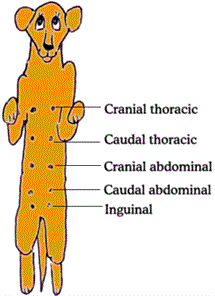
One of the biggest advantages of spaying is the dramatic reduction in mammary cancer, one of the most common cancers in unspayed female dogs. When a dog is spayed before her first heat cycle, her risk of developing this cancer drops to almost zero. Even spaying after the first or second heat still provides meaningful protection. This makes timing an important conversation to have with your veterinarian.
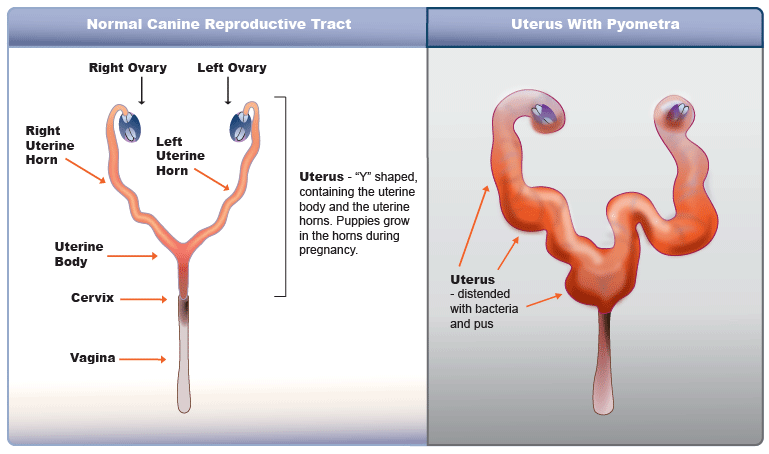
Spaying also completely prevents pyometra, a life‑threatening uterine infection that affects many older, unspayed dogs. Pyometra often requires emergency surgery and can be fatal if not treated quickly. By removing the uterus and ovaries during a planned spay procedure, you eliminate this risk entirely — giving your dog a safer, healthier future.
Beyond medical benefits, spaying also reduces unwanted behaviors and stress associated with heat cycles. You won’t have to manage spotting, restlessness, or the constant attention from male dogs in the neighborhood. For many families, this creates a calmer, more predictable home environment.
The spay procedure itself is a common, carefully monitored surgery performed under general anesthesia. Most dogs go home the same day and recover within 10–14 days with rest, incision care, and limited activity. Your veterinarian will guide you through pain management, aftercare, and what to expect during healing.

Choosing to spay your dog is ultimately an act of love — one that protects her from preventable illness, reduces stress, and supports a longer, healthier life. If you’re unsure about the best timing or have questions about the procedure, your veterinarian is the best resource for personalized guidance.
Here is a copy-paste FAQ section you can add to the bottom of your Why Spaying Your Dog Is Important blog post on Squarespace.
Frequently Asked Questions About Spaying Dogs
What does spaying a dog mean?
Spaying is a surgical procedure in which a female dog’s ovaries and usually the uterus are removed. This prevents pregnancy and eliminates future heat cycles.
At what age should a dog be spayed?
The best age to spay a dog can vary depending on breed, size, and overall health. Many veterinarians recommend spaying between six and twelve months of age, although your veterinarian can advise the best timing for your dog.
What are the health benefits of spaying a dog?
Spaying helps prevent serious conditions such as pyometra (uterine infection) and significantly reduces the risk of mammary tumors. It also prevents unwanted pregnancies.
Does spaying affect a dog’s behavior?
Spaying can reduce behaviors related to heat cycles such as restlessness, roaming, and attracting male dogs. However, a dog’s personality and temperament generally remain the same.
Will spaying make my dog gain weight?
Spaying does not automatically cause weight gain. Maintaining a healthy diet and regular exercise will help keep your dog at a healthy weight.
Is spaying surgery safe for dogs?
Spaying is a routine veterinary procedure performed under general anesthesia. Modern surgical techniques and monitoring equipment make the procedure generally very safe for healthy dogs.
How long does it take a dog to recover after spaying?
Most dogs recover within 10 to 14 days. During this time activity should be limited and the incision should be monitored for signs of swelling or infection.
Can spaying prevent reproductive diseases?
Yes. Spaying eliminates the risk of uterine infections and greatly reduces the chance of mammary tumors and other reproductive health problems.
Does spaying stop heat cycles?
Yes. Once a dog is spayed she will no longer go into heat and cannot become pregnant.
When should I talk to my veterinarian about spaying my dog?
You should discuss spaying with your veterinarian during routine wellness visits to determine the best timing and care plan for your pet.
Related Dog Health Articles
You may also find these veterinary articles helpful:
• Why Neutering Your Dog Supports Lifelong Health
• Pyometra in Dogs
• Dog Mammary Tumor
• Understanding Dystocia in Dogs
• Emergency Medicine for Pets
• Ultimate Guide to Soft Tissue Surgery in Pets
