Why Is My Dog Having Diarrhea? Common Causes and When to Worry
Why Is My Dog Having Diarrhea? Common Causes and When to Worry
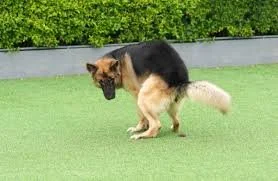
If your dog has diarrhea, it is important to pay attention to how long it lasts, how severe it is, and whether it is happening with other symptoms. Some dogs have a short-lived stomach upset and recover quickly, but diarrhea can also be a sign of parasites, dietary problems, infection, pancreatitis, intestinal disease, toxin exposure, or a deeper internal medical issue.
At Bushnell Animal Clinic, we help dog owners in Bushnell, FL and surrounding Central Florida communities understand when diarrhea is likely to be mild and when it needs a closer medical evaluation.
Is Diarrhea in Dogs Always Serious?
Not always. Some dogs develop diarrhea after eating something unusual, changing foods too quickly, or having mild digestive irritation. In those cases, the problem may be short-lived.
But diarrhea becomes more concerning when it:
lasts more than a day or two
happens repeatedly
is severe or very frequent
contains blood
happens with vomiting
causes weakness, dehydration, or poor appetite
affects a puppy, senior dog, or medically fragile dog
That is when it becomes more important to look for the cause instead of assuming it will pass.
What Does Dog Diarrhea Look Like?
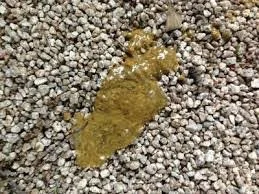
Diarrhea can vary a lot from dog to dog. Owners may notice:
soft stool
watery stool
mucus in the stool
blood in the stool
straining
more frequent bowel movements
accidents in the house
urgency to go outside
Sometimes diarrhea is the only symptom. Other times it comes with vomiting, lethargy, abdominal discomfort, poor appetite, or changes in thirst and urination.
Common Causes of Diarrhea in Dogs
Diarrhea is a symptom, not a diagnosis. It can be caused by something simple or something more serious.
Dietary Indiscretion
Many dogs eat things they should not. Trash, spoiled food, greasy table scraps, unfamiliar treats, and outdoor debris can all irritate the digestive tract.
Sudden Food Changes
Changing dog food too quickly can upset the stomach and intestines and lead to diarrhea.
Parasites
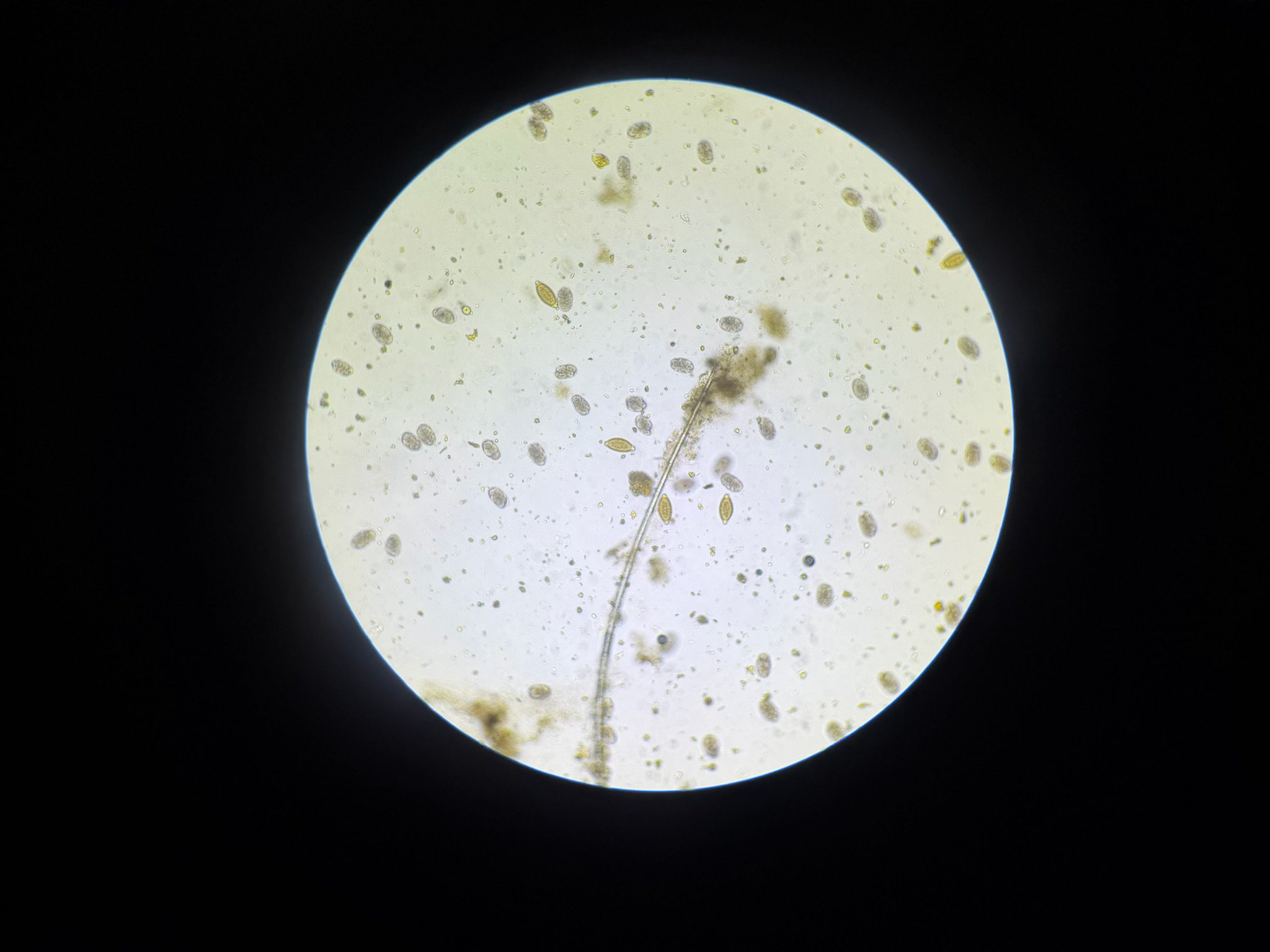
Intestinal parasites are a common cause of diarrhea, especially in puppies or dogs without consistent parasite prevention.
Stress or Excitement
Some dogs develop temporary diarrhea during boarding, travel, storms, or stressful changes in routine.
Infection
Bacterial, viral, or other infectious causes can lead to diarrhea, especially if your dog is also vomiting or feeling poorly.
Pancreatitis
Pancreatitis can cause diarrhea, vomiting, abdominal pain, and poor appetite. In some dogs, it can become serious quickly.
Food Intolerance or Chronic Intestinal Disease
Some dogs develop repeated diarrhea because of food sensitivity, chronic inflammation, inflammatory bowel disease, or other longer-term digestive conditions.
Toxin Exposure
Some toxins and medications can irritate the digestive tract or cause more serious systemic illness along with diarrhea.
Organ Disease or Internal Medicine Problems
Kidney disease, liver disease, endocrine disease, and other internal medical conditions can sometimes contribute to diarrhea, especially when other symptoms are also present.
Why Is My Dog Having Diarrhea but Acting Normal?
Some dogs with mild digestive upset still act fairly normal at first. They may continue eating, drinking, and moving around normally despite loose stool.
But dogs can also act “mostly normal” in the early stages of:
parasite-related illness
dietary intolerance
chronic intestinal inflammation
early pancreatitis
organ disease
stress-related colitis
If diarrhea keeps happening, even in a dog that seems fine otherwise, it is still worth paying attention.
When Should I Worry About Dog Diarrhea?
You should be more concerned if your dog:
has diarrhea more than a few times in a day
has diarrhea that lasts into the next day or longer
has blood in the stool
is vomiting too
stops eating
seems weak or lethargic
appears painful
cannot hold stool
is a puppy or senior dog
may have eaten something toxic
may have swallowed a foreign object
These cases should not be watched too long at home.
What If My Dog Has Diarrhea and Vomiting?
This combination matters more because it increases the risk of dehydration and can point to a more serious digestive or internal medical problem.
A dog with diarrhea and vomiting may be dealing with:
dietary indiscretion
infection
pancreatitis
parasites
toxin exposure
intestinal blockage
inflammatory disease
If vomiting is part of the picture, link to Why Is My Dog Vomiting? so readers can move between the two symptom pages naturally.
What If There Is Blood in My Dog’s Stool?
Blood in the stool can look bright red or make the stool appear very dark. Blood can happen with inflammation, parasites, severe irritation, infection, stress colitis, or more serious gastrointestinal disease.
Any blood in the stool deserves attention, but the need for urgent care is higher if your dog is also:
vomiting
weak
not eating
acting painful
very young or elderly
passing large amounts of blood
having repeated diarrhea
Can Dog Diarrhea Cause Dehydration?
Yes. Dogs can lose fluid quickly when diarrhea is severe or frequent, especially if vomiting is also happening. Dehydration is more likely in:
puppies
senior dogs
small dogs
dogs with other medical problems
dogs with diarrhea and vomiting together
This is one reason persistent diarrhea should not be ignored.
When Diarrhea Needs an Internal Medicine Approach
Some diarrhea cases are brief and simple. Others are chronic, recurring, or part of a larger pattern that needs deeper evaluation.
A dog with repeated or ongoing diarrhea may also have:
weight loss
poor appetite
vomiting
increased thirst
increased urination
low energy
abnormal bloodwork
recurring flare-ups
That is when internal medicine and advanced diagnostics becomes especially important. At Bushnell Animal Clinic, that may include a full history, physical exam, fecal testing, bloodwork, urinalysis, X-rays, and a more targeted diagnostic plan based on your dog’s symptoms.
What to Expect at the Vet for Dog Diarrhea
When you bring your dog in for diarrhea, we want to know:
when it started
how often it is happening
what the stool looks like
whether there is blood or mucus
whether vomiting is also happening
whether your dog is eating and drinking
whether there have been recent diet changes
whether your dog may have gotten into something unusual
whether this has happened before
Depending on the findings, your veterinarian may recommend:
physical examination
hydration assessment
fecal testing
bloodwork
urinalysis
X-rays
additional testing based on the case
The goal is to identify whether the problem is simple and short-term or something that needs more advanced evaluation and treatment.
When Is Dog Diarrhea an Emergency?
Diarrhea becomes more urgent when it is severe, repeated, or part of a bigger problem. Seek urgent pet care in Bushnellpromptly if your dog:
cannot keep water down
is also vomiting repeatedly
is weak or collapsed
has significant blood in the stool
seems painful
has a swollen abdomen
may have eaten a toxin
may have swallowed a foreign object
is rapidly getting worse
Serving Bushnell and Surrounding Central Florida Communities
Bushnell Animal Clinic serves dogs and cats in Bushnell, Webster, Center Hill, The Villages, Brooksville, Inverness, Clermont, Leesburg, Dade City, and surrounding Central Florida communities.
If your dog has diarrhea that is frequent, persistent, bloody, or happening with other symptoms, we are here to help.
Schedule an Appointment for Dog Diarrhea in Bushnell, FL
If your dog has diarrhea that is not improving, is happening along with vomiting or lethargy, or is causing concern at home, use schedule an appointment at Bushnell Animal Clinic.
We can help determine whether your dog has a simple digestive upset or a deeper medical problem that needs further evaluation.
FAQ
Why is my dog having diarrhea?
Dogs can develop diarrhea from dietary indiscretion, sudden food changes, parasites, infection, pancreatitis, food intolerance, toxins, or other internal medical problems.
When should I worry about dog diarrhea?
You should worry more if the diarrhea is frequent, lasts more than a short time, contains blood, happens with vomiting, or your dog seems weak, painful, or not interested in food.
Is diarrhea in dogs an emergency?
It can be if it is severe, bloody, happening with vomiting, or causing weakness, dehydration, or pain.
Can parasites cause diarrhea in dogs?
Yes. Intestinal parasites are a common cause of diarrhea, especially in puppies and dogs without regular prevention.
What if my dog has diarrhea and vomiting?
That combination is more concerning because it raises the risk of dehydration and may point to a more serious medical issue.
Should I take my dog to the vet for diarrhea?
If diarrhea is persistent, severe, bloody, or paired with other symptoms, a veterinary visit is a good idea.
