Why Is My Cat Throwing Up? Common Causes and When to Worry

Why Is My Cat Throwing Up? Common Causes and When to Worry
If your cat is throwing up, it is important to pay attention. Some cats vomit once and seem normal afterward, but repeated vomiting, vomiting with other symptoms, or vomiting in a cat that seems quiet, weak, or not interested in food can be a sign of a more serious medical problem. At Bushnell Animal Clinic, we help cat owners in Bushnell, FL and surrounding Central Florida communities understand when vomiting may be minor and when it deserves a closer look.
Cats throw up for many different reasons. Hairballs are one possibility, but they are far from the only one. Vomiting in cats can also be linked to dietary changes, parasites, stomach irritation, inflammatory bowel disease, kidney disease, liver disease, pancreatitis, hyperthyroidism, toxin exposure, intestinal blockage, and other internal medical problems. That is why frequent or ongoing vomiting should never be brushed off as “just a cat thing.”
If your cat has been vomiting, acting differently, losing weight, eating less, or showing other changes at home, it may be time to schedule an exam and a deeper medical evaluation.
What Counts as Vomiting in Cats?
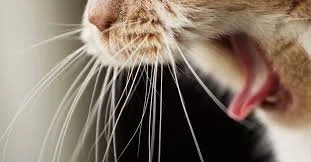
Vomiting is the forceful expulsion of stomach or upper intestinal contents. It is different from coughing or regurgitation.
Cats that are vomiting may:
retch or hunch before bringing material up
drool or swallow repeatedly
vomit food, liquid, foam, bile, or hair
hide afterward
seem nauseated or uninterested in food
Some cats vomit once and recover quickly. Others vomit over and over, continue to feel sick, or begin losing weight over time.
Common Causes of Vomiting in Cats
Vomiting is a symptom, not a diagnosis. The cause may be mild, but it can also point to a deeper illness.
Hairballs
Hairballs are common, especially in cats that groom heavily. But frequent hairball vomiting is not always normal. Some cats that seem to be vomiting hairballs regularly may actually have underlying digestive irritation or chronic inflammation.
Eating Too Fast
Some cats eat quickly and vomit soon afterward. While this can happen occasionally, repeated episodes still deserve attention.
Dietary Changes or Food Sensitivity
A sudden change in food, treats, or table scraps can upset the stomach. Some cats also develop food intolerance or chronic sensitivity that leads to repeated vomiting.
Parasites
Intestinal parasites can cause vomiting, weight loss, diarrhea, or poor body condition, especially in younger cats or cats without regular preventive care.
Chronic Gastrointestinal Disease
Inflammatory bowel disease, chronic gastritis, food intolerance, or other digestive disorders can lead to ongoing vomiting, weight loss, decreased appetite, and stool changes.
Kidney Disease
Cats with kidney disease may vomit because of nausea related to poor kidney function. They may also drink more water, urinate more, lose weight, and eat less. If your cat is also showing those signs, see our page on cat weight loss and internal medicine for pets.
Hyperthyroidism
Older cats with hyperthyroidism may vomit, lose weight, and seem hungrier or more restless than normal.
Pancreatitis
Pancreatitis in cats can be hard to recognize. Some cats vomit, but others mainly show poor appetite, hiding, lethargy, or discomfort.
Liver Disease
Liver problems can cause nausea, vomiting, appetite loss, and weight loss. In some cases, cats may also seem weak or develop behavior changes.
Toxin Exposure
Certain plants, medications, chemicals, and human foods can make cats vomit. Some exposures are emergencies.
Foreign Material or Intestinal Blockage
Cats sometimes swallow string, ribbon, thread, toys, or other materials that can cause vomiting and become very serious very quickly.
Is Throwing Up Normal in Cats?
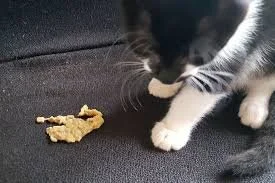
Occasional vomiting can happen, but regular vomiting is not something to ignore. Many cats hide illness well, and vomiting may be one of the earliest visible signs that something is wrong.
A cat that vomits once in a great while may be dealing with a mild stomach upset. A cat that vomits weekly, several times in a month, or alongside weight loss or appetite change should be evaluated.
When Should I Worry About My Cat Throwing Up?
You should be more concerned if your cat:
vomits more than once
vomits repeatedly over days or weeks
stops eating
loses weight
becomes lethargic
hides more than usual
has diarrhea
drinks more water
urinates more often
vomits blood
seems painful
may have eaten string, ribbon, a plant, or something toxic
These cases should not be watched too long at home.
Why Is My Cat Throwing Up but Acting Normal?
Some cats seem fairly normal at first even when something important is developing. Cats are very good at masking illness. A cat may still walk around, sit normally, or come to the food bowl even while feeling nauseated.
Cats that vomit but still seem “mostly normal” may still have:
chronic stomach irritation
hairball-related irritation
inflammatory bowel disease
kidney disease
hyperthyroidism
early liver disease
food intolerance
parasites
If vomiting keeps happening, it is worth looking deeper even if your cat does not seem dramatically sick yet.
Why Is My Cat Throwing Up and Losing Weight?
This combination is especially important. Vomiting plus weight loss can suggest:
chronic digestive disease
kidney disease
hyperthyroidism
liver disease
cancer
poor absorption of nutrients
chronic nausea with reduced food intake
If your cat is vomiting and also getting thinner, that is a strong reason to schedule an exam. You can also connect readers here to Why Is My Cat Losing Weight? inside the live blog.
What If My Cat Is Throwing Up Hairballs Often?
Frequent hairballs are not always “just hairballs.” Cats that vomit hairballs often may also have:
chronic stomach irritation
inflammatory bowel disease
overgrooming
diet-related issues
poor gastrointestinal motility
If hairball vomiting is frequent, increasing, or paired with appetite or weight changes, it deserves a closer medical evaluation.
When Vomiting in Cats Needs an Internal Medicine Approach
Some vomiting cases are simple and short-lived. Others are part of a bigger pattern that needs more than a quick symptomatic treatment.
A cat with chronic or repeated vomiting may also have:
weight loss
reduced appetite
poor coat quality
increased thirst
increased urination
diarrhea
abnormal bloodwork
repeated flare-ups
That is when a more complete internal medicine and advanced diagnosticsapproach becomes especially important. At Bushnell Animal Clinic, that may include a full history, physical exam, bloodwork, urinalysis, fecal testing, X-rays, and a more targeted plan depending on your cat’s symptoms and age.
What to Expect at the Vet for a Vomiting Cat
When you bring your cat in for vomiting, we start with a detailed history. We want to know:
when the vomiting started
how often it happens
what the vomit looks like
whether your cat is still eating
whether there has been weight loss
whether water intake has changed
whether stool or urination has changed
whether there may have been toxin or foreign material exposure
whether the problem has happened before
Depending on the findings, your veterinarian may recommend:
physical examination
hydration assessment
bloodwork
urinalysis
fecal testing
X-rays
additional diagnostics based on your cat’s history and exam
The goal is to identify the cause instead of only treating the symptom.
When Is Vomiting an Emergency in Cats?
Vomiting can become urgent when it is frequent, severe, or part of a larger problem. A cat should be evaluated promptly if they:
cannot keep food or water down
seem weak or collapsed
are breathing abnormally
stop eating
may have eaten a toxin
may have swallowed string or another object
have abdominal pain
are vomiting repeatedly in one day
are showing major behavior changes
If your cat seems acutely ill, you should seek urgent pet care in Bushnell as soon as possible.
Serving Bushnell and Surrounding Central Florida Communities
Bushnell Animal Clinic serves cats and cat owners in Bushnell, Webster, Center Hill, The Villages, Brooksville, Inverness, Clermont, Leesburg, Dade City, and surrounding areas.
If your cat is throwing up, losing weight, eating less, or just not acting like themselves, we are here to help.
Schedule an Appointment for a Vomiting Cat in Bushnell, FL
If your cat has vomited more than once, keeps vomiting, or is showing other changes like weight loss, poor appetite, or lethargy, schedule an exam at Bushnell Animal Clinic. We can help determine whether your cat has a mild digestive issue or a medical problem that needs deeper evaluation.
Use schedule an appointment or contact Bushnell Animal Clinic to get started.
FAQ
Why is my cat throwing up?
Cats may throw up because of hairballs, food changes, parasites, stomach irritation, inflammatory bowel disease, kidney disease, hyperthyroidism, toxin exposure, or other medical conditions.
Is it normal for cats to throw up hairballs?
Occasional hairballs can happen, but frequent hairball vomiting is not always normal and may point to a deeper digestive issue.
When should I worry about my cat vomiting?
You should worry more if vomiting is repeated, happens with weight loss or poor appetite, involves blood, or occurs with lethargy, hiding, or other behavior changes.
Why is my cat throwing up but acting normal?
Some cats seem normal even when they are developing a medical problem. Repeated vomiting in a cat that otherwise seems okay still deserves attention.
Can kidney disease make a cat throw up?
Yes. Cats with kidney disease often develop nausea and vomiting, along with weight loss, increased thirst, and increased urination.
Should I take my cat to the vet for vomiting?
If vomiting happens more than once, keeps recurring, or is paired with appetite loss, weight loss, lethargy, or other symptoms, a veterinary visit is a good idea.
