Lymphoma in Dogs: Symptoms, Diagnosis, Treatment Options
Lymphoma in Dogs: Symptoms, Diagnosis, Treatment
Lymphoma in dogs is one of the most common and treatable canine cancers — but receiving the diagnosis can feel overwhelming. This guide breaks down everything you need to know, from early signs to treatment options like the CHOP protocol and Tanovea, so you can make confident decisions for your dog’s care.
What Is Lymphoma in Dogs?
Lymphoma (also called lymphosarcoma) is a cancer of the lymphocytes — a type of white blood cell found throughout the body. Because lymph tissue exists in many organs, lymphoma can appear almost anywhere, though it most commonly shows up as painless, enlarged lymph nodes.
Most dogs are middle‑aged or older, and many appear completely normal aside from swollen nodes.
Explore more:
Canine lymphoma basics
Common Symptoms of Lymphoma in Dogs
While some dogs show no symptoms at all, others may experience:
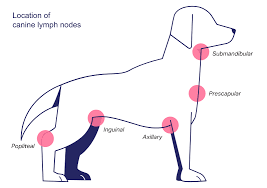
Enlarged lymph nodes (under jaw, behind knees, in front of shoulders)
Lethargy
Decreased appetite
Weight loss
Increased thirst or urination
Vomiting or diarrhea (with intestinal lymphoma)
If you notice swollen lymph nodes, it’s best to schedule a veterinary exam promptly.
How Lymphoma Is Diagnosed
Veterinarians typically use a combination of tests to confirm lymphoma and determine its stage:
Fine‑Needle Aspirate or Biopsy
A small sample of cells is examined under a microscope to confirm cancer.
Bloodwork & Urinalysis
These tests evaluate overall health and detect complications like high calcium levels.
Staging Tests
These may include:
Ultrasound
X‑rays
Bone marrow aspirate
Flow cytometry (to determine B‑cell vs T‑cell lymphoma)
Lymphoma Stages (I–V)
Stage I: One lymph node
Stage II: Multiple nodes in one region
Stage III: All peripheral nodes
Stage IV: Liver and/or spleen involvement
Stage V: Bone marrow or other organ involvement
Dogs who feel well at diagnosis (substage “a”) generally have better outcomes.
Learn more:
Lymphoma staging
Treatment Options for Lymphoma in Dogs
1. CHOP Chemotherapy Protocol
The CHOP protocol is the gold standard for treating lymphoma in dogs. It uses a combination of:
Cyclophosphamide
Doxorubicin
Vincristine
Prednisone
Typical outcomes:
B‑cell lymphoma: 80–90% remission within the first month
Median survival: ~12 months
About 25% live 2 years
T‑cell lymphoma: ~70% remission, median survival 6–8 months
Most dogs tolerate chemotherapy well and maintain a normal quality of life.
Explore:
CHOP protocol details
2. Tanovea® (Rabacfosadine)
Tanovea is a newer chemotherapy drug designed specifically for dogs.
Key points:
Given every 3 weeks for up to 5 treatments
Often more effective when combined with doxorubicin
Risk: pulmonary fibrosis (fatal in ~5% of dogs)
Terriers, especially Westies, are at higher risk
Explore:
Tanovea risks
3. Prednisone‑Only Treatment
Prednisone can temporarily shrink lymph nodes and improve comfort.
However:
Remission typically lasts only 1–2 months
It can make future chemotherapy less effective
Best used when chemotherapy isn’t an option
Explore:
Prednisone-only approach
Side Effects of Chemotherapy
Most dogs handle treatment far better than humans do.
Statistics:
~25% experience mild side effects
~7% require hospitalization
Hair loss is uncommon except in breeds like Poodles, Old English Sheepdogs, Shih Tzus, and Lhasa Apsos
Common side effects include:
Decreased appetite
Vomiting
Diarrhea
Fatigue
Prognosis: What to Expect
Without treatment, most dogs live about 2 months after diagnosis.
With treatment:
CHOP: ~12 months median survival
T‑cell lymphoma: 6–8 months
Tanovea: varies, often similar to CHOP
Prednisone only: 1–2 months
Factors that improve prognosis:
B‑cell lymphoma
Normal calcium levels
No symptoms at diagnosis
Factors that worsen prognosis:
Hypercalcemia
Intestinal lymphoma
Stage V disease
Steroid use before diagnosis
Quality of Life During Treatment
Most dogs in remission feel completely normal — eating, playing, and enjoying life. When remission ends, lymph nodes enlarge again, and your vet may recommend a “rescue” protocol.
Conclusion
Lymphoma in dogs is a serious diagnosis, but it’s also one of the most treatable canine cancers. With modern chemotherapy options and supportive care, many dogs enjoy months to years of excellent quality of life.
Here is a copy-paste FAQ section you can add to the bottom of your Lymphoma in Dogs blog post on Squarespace.
Frequently Asked Questions About Lymphoma in Dogs
What is lymphoma in dogs?
Lymphoma is a type of cancer that affects the lymphatic system, which is part of the body’s immune system. It commonly involves the lymph nodes but can also affect organs such as the spleen, liver, and bone marrow.
What causes lymphoma in dogs?
The exact cause of lymphoma is not fully understood. Genetic factors, environmental influences, and immune system changes may all play a role.
What are the symptoms of lymphoma in dogs?
Common signs include enlarged lymph nodes, lethargy, loss of appetite, weight loss, fever, and sometimes vomiting or diarrhea depending on the form of lymphoma.
Where are lymph nodes located in dogs?
Lymph nodes are located throughout the body. The most noticeable ones are under the jaw, in front of the shoulders, behind the knees, and in the groin area.
How is lymphoma diagnosed in dogs?
Veterinarians typically diagnose lymphoma using a fine needle aspirate or biopsy of the enlarged lymph nodes. Blood tests and imaging may also be used to evaluate the extent of the disease.
Is lymphoma treatable in dogs?
Yes. Many dogs respond well to chemotherapy and can experience remission, meaning the cancer becomes undetectable for a period of time.
How long can dogs live with lymphoma?
Survival time depends on the type of lymphoma and treatment used. With chemotherapy, many dogs can live several months to over a year with good quality of life.
Are certain dogs more likely to develop lymphoma?
Lymphoma is more common in middle-aged and older dogs, although it can occur in younger dogs as well. Some breeds may have a higher risk.
Is lymphoma painful for dogs?
Lymphoma itself is often not painful in the early stages, but it can cause weakness, organ problems, and discomfort as the disease progresses.
When should I take my dog to the veterinarian for possible lymphoma?
If you notice enlarged lymph nodes, unexplained weight loss, fatigue, or other concerning symptoms, your dog should be evaluated by a veterinarian.
Related Dog Health Articles
You may also find these veterinary articles helpful:
• Osteosarcoma in Dogs
• Splenic Mass in Dogs
• Mast Cell Tumor in Dogs
• Dog Lump Under Skin
• Pet Quality of Life
• Emergency Medicine for Pets
