🐾 Understanding Splenic Masses in Dogs: Symptoms, Treatment, and What Pet Owners Should Know
Splenic masses are a common and often frightening diagnosis for dog owners. Whether discovered during an emergency visit or a routine exam, a mass on the spleen raises urgent questions about your dog’s health, prognosis, and treatment options. This guide breaks down everything you need to know — from what the spleen does to how a splenectomy (spleen removal) can save your dog’s life.
🩸 What Is the Spleen and Why Is It Important?
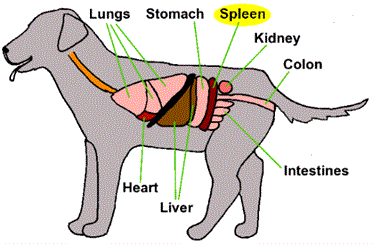
The spleen plays several essential roles in your dog’s body:
Blood storage — It acts as a reserve tank, releasing blood during stress or injury.
Filtering old red blood cells — Helps maintain healthy circulation.
Immune support — Contains white pulp that fights infection.
Dogs can live without a spleen, but problems arise when a mass forms and begins to bleed.
⚠️ Why Splenic Masses Are Dangerous
Splenic tumors are typically one of two types:
Hemangioma — benign
Hemangiosarcoma — malignant and aggressive
Both originate from blood vessels, which means they can rupture suddenly, causing internal bleeding. This is why splenic masses are considered medical emergencies.
Common signs of a ruptured splenic mass:
Sudden weakness or collapse
Pale gums
Rapid breathing
Distended abdomen
Temporary improvement after rest (due to clotting)
If you notice these symptoms, immediate veterinary care is critical.
🧪 How Veterinarians Diagnose Splenic Masses
Your veterinarian may use several tools to identify and evaluate a splenic mass:
Physical exam
Bloodwork to check for anemia
X‑rays to detect abdominal enlargement
Ultrasound to confirm the mass’s origin
Chest radiographs to check for metastasis
These tests help determine whether surgery is safe and whether cancer may be present.
🏥 Splenectomy: The Primary Treatment Option
A splenectomy, or surgical removal of the spleen, is the most effective treatment for splenic masses.
If the mass is benign
Surgery is typically curative, and dogs often recover fully.
If the mass is malignant
Hemangiosarcoma is aggressive and often spreads before diagnosis. Surgery can stabilize your dog and stop internal bleeding, but additional treatment may be recommended:
Chemotherapy
Metronomic therapy
Palliative care
Your veterinarian will help you understand realistic outcomes based on your dog’s condition.
🩹 What to Expect During and After Surgery
Splenectomy is a major surgery, but many dogs recover well with proper care.
During surgery:
Blood transfusions may be needed
The veterinarian may not know if the mass is cancerous until the spleen is removed
You may be asked to make decisions ahead of time regarding findings during surgery
After surgery:
Your dog may go home within 24–48 hours. Post‑operative care often includes:
Pain medication
Antibiotics
Iron supplements
Most dogs return to normal activity within a few weeks.
🐕 When Surgery Isn’t an Option
If you choose not to pursue surgery, supportive care may help keep your dog comfortable:
A snug abdominal wrap can slow bleeding
Yunnan Baiyo may help with clotting
Chemotherapy may still be possible
However, without surgery, a fatal bleed is likely at some point.
🧭 Final Thoughts for Pet Owners
A splenic mass is a serious diagnosis, but understanding your options can help you make the best decision for your dog. Early detection, rapid emergency care, and clear communication with your veterinarian are key to navigating this challenging situation.
Here is a copy-paste FAQ section you can place at the bottom of your Splenic Mass in Dogs blog post on Squarespace.
Frequently Asked Questions About Splenic Masses in Dogs
What is a splenic mass in dogs?
A splenic mass is an abnormal growth that develops in the spleen. The spleen is an organ in the abdomen that helps filter blood and support the immune system.
Are splenic masses in dogs always cancerous?
No. Some splenic masses are benign, such as hematomas or nodular hyperplasia. However, others may be malignant, including hemangiosarcoma. Veterinary evaluation is necessary to determine the cause.
What causes splenic masses in dogs?
Splenic masses may develop due to tumors, blood-filled growths, trauma, or abnormal tissue growth. Some conditions occur more commonly in older dogs.
What are the symptoms of a splenic mass in dogs?
Signs may include weakness, lethargy, loss of appetite, abdominal swelling, pale gums, collapse, or sudden weakness if the mass ruptures and causes internal bleeding.
How are splenic masses diagnosed in dogs?
Veterinarians usually diagnose splenic masses using a combination of physical examination, blood tests, abdominal ultrasound, X-rays, and sometimes biopsy or surgical removal of the spleen.
Can a splenic mass rupture?
Yes. Some splenic masses can rupture and cause internal bleeding, which can become a life-threatening emergency requiring immediate veterinary care.
What is the treatment for splenic masses in dogs?
Treatment often involves surgical removal of the spleen (splenectomy). After surgery, laboratory analysis of the tissue helps determine whether the mass is benign or malignant.
Can dogs live without a spleen?
Yes. Dogs can live without a spleen, although the organ plays a role in immune function. Most dogs adapt well after splenectomy.
Which dogs are most at risk for splenic tumors?
Splenic tumors are more commonly seen in older dogs and certain breeds, including larger breeds.
When should I take my dog to the veterinarian for possible splenic problems?
If your dog shows signs such as weakness, collapse, pale gums, abdominal swelling, or sudden lethargy, immediate veterinary evaluation is recommended.
Related Dog Health Articles
You may also find these veterinary articles helpful:
• Emergency Medicine for Pets
• Mast Cell Tumor in Dogs
• Dog Lump Under Skin
• Ultimate Guide to Soft Tissue Surgery in Pets
• Heart Disease in Dogs
• How to Choose the Right Veterinarian
